

Everyday Eco-Friendly Habits to Help You Give Back to the Planet
We’ve seen firsthand that meaningful environmental impact comes from small, consistent habits. The same materials we handle every day—compost, mulch, soil, and recycled green waste—play a role in everyday sustainable, greener living.
Realistic Green Goals You Can Actually Keep
Sustainability doesn’t require perfection. It works best when it fits into daily life.
Finding habits that are approachable will make them easier to maintain over time. Whether you manage landscapes for a living or take care of a backyard garden, greener choices are often simpler than they seem.
Start Small with Composting
Approximately one-third of the food produced in the U.S. each year is discarded, with the majority being sent to landfills. This is problematic because decomposing organic waste releases methane, a massive contributor to climate change.
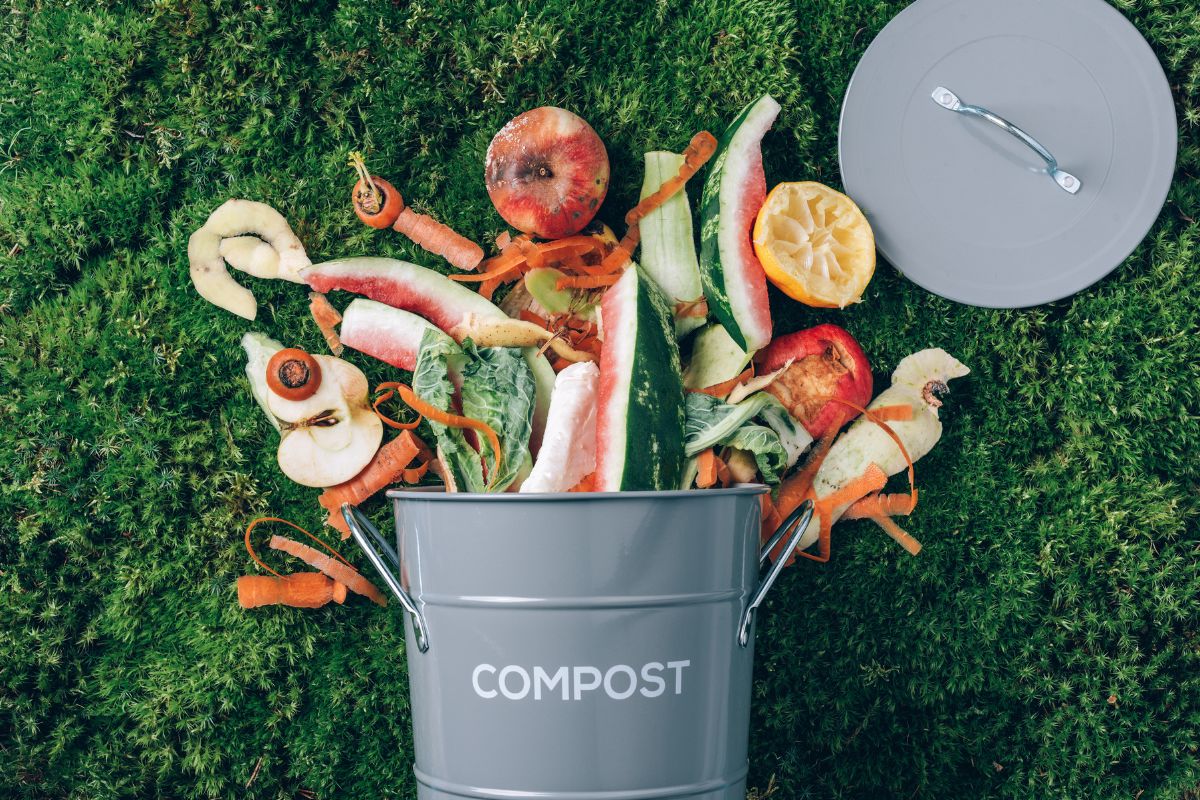
Food scraps don’t belong in landfills. Coffee grounds, vegetable peels, eggshells, and yard debris can all be composted and turned into something useful. Composting diverts these organic materials from disposal sites, decreasing greenhouse gas emissions.
Compost also improves soil structure and supports stronger ecosystems. If you’re new to composting at home, start small. A countertop compost container makes it easy to collect kitchen scraps without much effort. If maintaining a backyard pile isn’t realistic, many communities offer drop-off or curbside options.
Lenz Enterprises works with municipalities and customers across Western Washington to process organic material locally, keeping it out of landfills and returning nutrients to the soil. That material becomes products like GreenBlenz® Compost and GreenBlenz® Compost Organic, both designed to support healthy soil and resilient landscapes.
Enrich Your Garden with Native Species & Local Landscaping Products
Sustainable landscaping starts by working with your environment, not against it. Native and drought-tolerant plants require less water, fertilizer, and maintenance once established. Pairing those plants with nutrient-rich compost or quality topsoil helps roots develop more efficiently, thereby reducing the need for chemical inputs over time.
Adding Lenz mulch or rockery to garden beds is another practical step to help regulate soil temperature and suppress weeds. Strategic landscaping choices like these lower ongoing resource use and reduce your overall carbon footprint.
Yard waste is often treated as trash when it doesn’t have to be. Leaves, branches, and grass clippings can be chipped, composted, or reused as mulch rather than bagged for landfill disposal.
Lenz operates local recycling and material recovery services that keep organic waste in the regional loop, where it can be processed and reused productively. Bringing yard debris to a facility that recycles it responsibly helps reduce methane emissions while supporting soil and garden sustainability close to home.
Make Sustainability a Lifestyle This Year
The most effective sustainable resolutions are the ones that become routine. Instead of trying to do everything at once, choose one or two habits that feel doable right now.
Prioritize Progress Over Perfection
Sustainability isn’t all-or-nothing. Monthly or seasonal “green check-ins” can help you notice progress without pressure. Small wins matter—adding compost to a garden bed, switching from fertilizer to mulch, or diverting kitchen scraps all add up over time.
Lean on Local Resources
Local resources make sustainable living easier and more effective. Skagit County recycles everything from aluminum cans to computers to cars. The city of Seattle has an extensive list of what can be recycled and where, and keeps customers informed about recycling-related details through this app. Snohomish County offers an appliance recycling outlet.
If you’re in Western Washington, visiting a materials facility like Lenz Enterprises can give you a clear view of how composting and recycling work at scale. Customers can order compost, mulch, and soil products directly and plan projects using our materials calculator.
Help Build a Sustainable Community
Sharing what works—whether it’s composting tips, native plant successes, or material sources—helps others take their own first steps. Consider starting a neighborhood compost group, hosting a native plant swap, or participating in events like International Compost Awareness Week. Other simple tips you could implement into your lifestyle might include:
- Donating usable goods to local thrift stores
- Buying second-hand items
- Turning old t-shirts into rags
- Choosing reusable coffee cups
- Carrying groceries in canvas totes rather than plastic
Practical Tips for Staying Motivated Year-Round
New Year’s resolutions often fade, but everyday habits add up to something bigger—healthier soil, cleaner waterways, and stronger local ecosystems. Stay consistent by:
- Setting micro-resolutions: buy compost once per quarter, mulch garden beds in spring, or refresh soil in fall.
- Celebrating milestones: track how much food waste you divert or how often you skip synthetic fertilizers.
- Automating habits: schedule yard-waste drop-offs or recurring compost deliveries.
- Working with the seasons: soil amendments in spring, mulching in summer, cleanup and composting in fall.
Climate research shows that composting and soil health play a strong role in reducing emissions and improving environmental health. If you’re planning garden improvements, landscape projects, or looking for better ways to manage organic waste, we’re here to help you make practical, informed choices in 2026 and beyond.
We’re glad to be part of your next step toward greener living!