
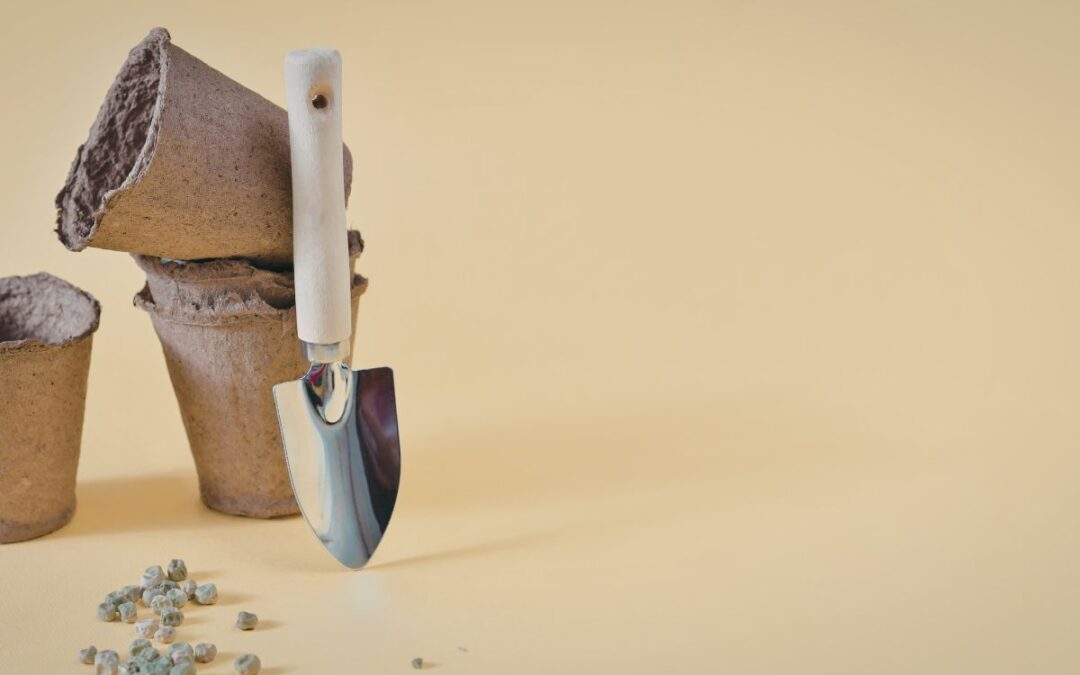
It’s not too early for starting seeds indoors that you can transfer into your garden this spring. The beauty of starting from seed is that you can plant in succession, growing and transplanting cool-season crops before planting your warm-season varieties that grow best in the summer sun. Our wet climate presents a few botanical challenges: rainy spring weather can saturate and waterlog your garden but dry summers can also take a toll on your soil.
Choosing native plants that thrive here is key, and starting from seed gives them the best chance to grow strong and healthy before they go in the ground.Seeds are also cheaper to buy than already-established plants and you can typically find a wider selection of specific varieties. You don’t have to wait for warm weather to start gardening and you can choose the quality of seeds and materials needed to help them thrive from the very beginning.
Our guide to Western Washington seed starting will help gardeners learn which native vegetables and flowers are best to start now, where to buy local seeds in Washington, what planting materials to use, how to prepare your garden beds, and more. Whether you’re planting in Bellingham, Seattle, Bellevue, or elsewhere, we’re here to help you refine your green thumb!
Planning Your Garden Before Spring Arrives
Early season gardening requires thinking through region-appropriate flowers and vegetables, purchasing quality seeds, creating ideal indoor growing conditions, and prepping your garden for planting.
Native plants require less watering and fewer chemicals, are more resistant to pests and diseases, and attract beneficial wildlife and pollinators while reducing soil erosion and protecting water quality.
Planting materials also make a huge difference. Lenz Potting Mix is a light soil that works well for planting and transplanting. While the seeds are germinating indoors, amending the soil in your outdoor beds with WSDA and OMRI-listed Lenz Compost will lay the foundation for a healthy spring garden.
February Gardening Checklist
- Purchase seeds for plants that are native to the region.
- Clean and prepare soil and containers.
- Plant the seeds according to regional zones and seasonal influences.
- Plan your greenhouse or indoor setups.
- Prep your garden beds.
Best Early Season Vegetable Crops to Start from Seed in February
Alliums
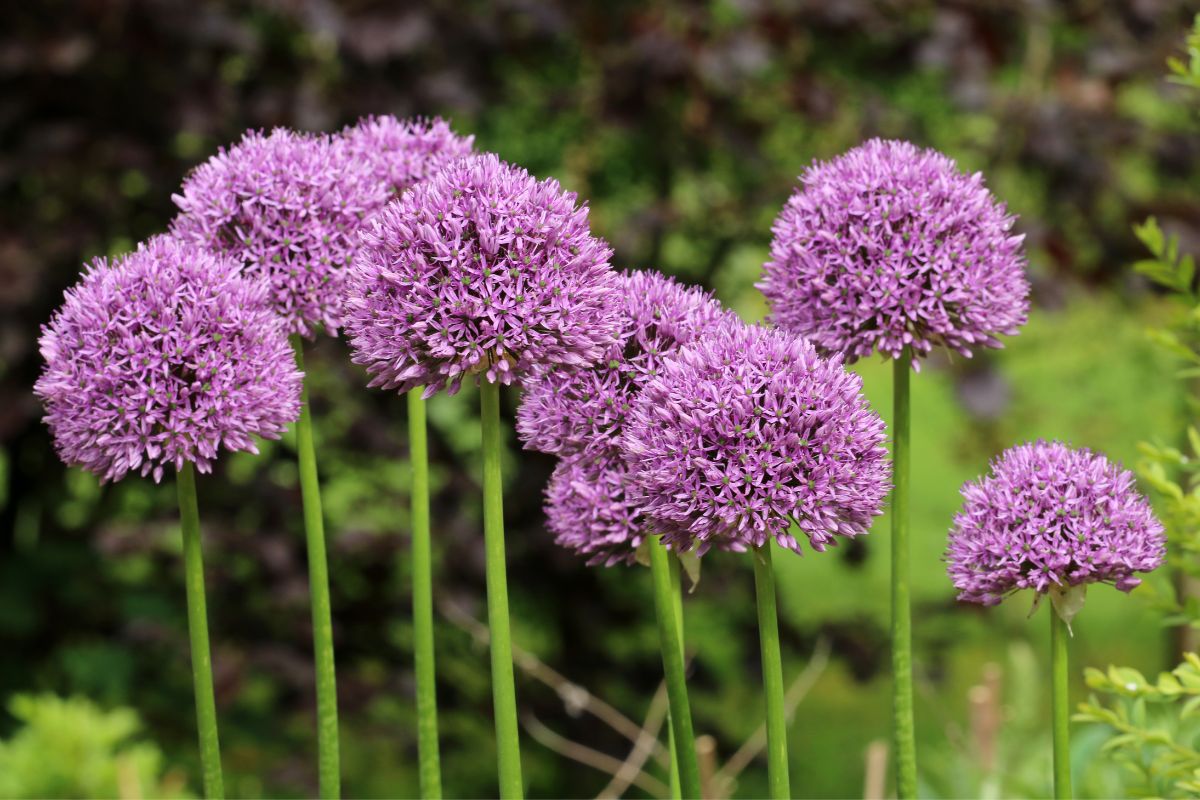
When planting Alliums (onions, leeks, and shallots) indoors, sow them in trays filled with Lenz Potting Mix and don’t be afraid to plant several together, as they tolerate crowding well. During growth, trim the tops to 3-4 inches to direct energy to the roots and prevent seedlings from flopping over. Alliums require high amounts of nitrogen yearly in their life cycle for maximum leaf growth as they mature. When transplanting in April or May, incorporate Lenz Compost into the bed to provide the necessary organic nitrogen.
Alliums Types and Varieties
- Onions
- Walla Walla, Copra, and Ailsa Craig
- Shallots
- Jersey and French Gray
- Leeks
- American Flag and Bandit
Brassicas
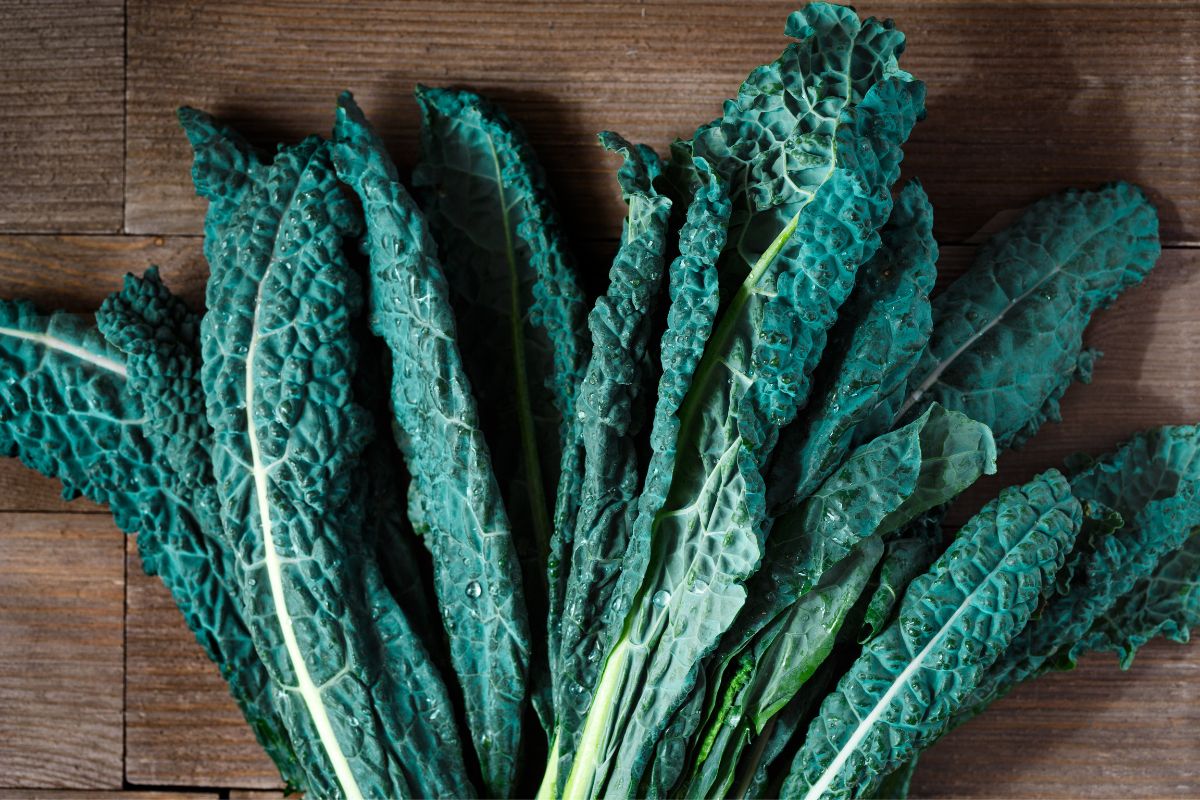
Local Brassicas (broccoli, cabbage, kale, and cauliflower) thrive in temperatures between 50°F and 65°F, so starting them indoors this month enables you to control the temperature (keeping it above 50°F) for steady growth. These plants grow rapidly, so plan to repot them into a 4-inch pot by March to prevent root-binding.
Brassicas Types and Varieties
- Kale
- Lacinato (Dino Kale) and Winterbor
- Cabbage
- Early Jersey Wakefield
- Cauliflower
- Snowball Y
Leafy Greens
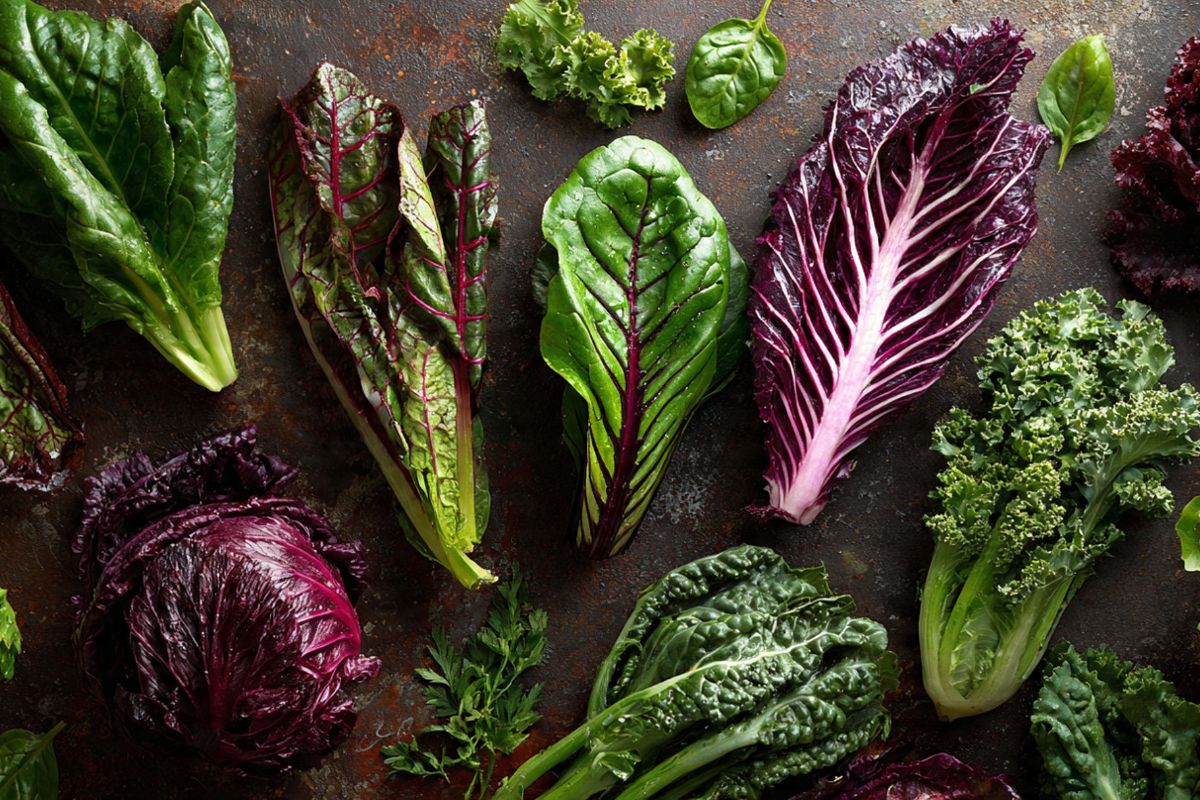
You can sow some leafy greens indoors in February for later transplanting, and direct sow others outdoors in a protected location. Head lettuce does well when started indoors in February and transplanted in March, while spinach has a sensitive taproot that doesn’t do well when moved, so it is best sown directly into the ground. Swiss Chard can be grown either by direct sowing or within containers.
Leafy Green Types and Varieties
- Lettuce
- Continuity and Salinas
- Spinach
- Space, Giant Winter, and Red Cardinal
- Swiss Chard
- Ruby Red, Bright Lights, and Fordhook Giant
Best Flower Seeds to Start in February
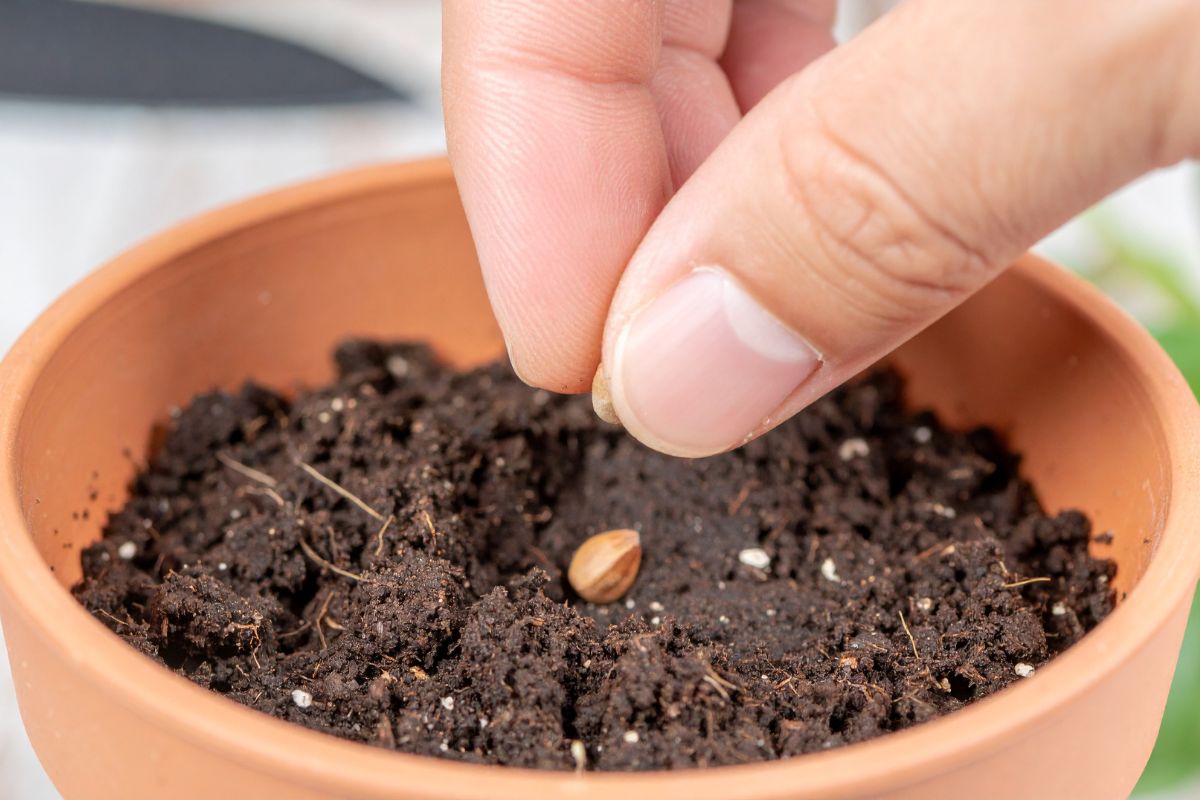
Like vegetables, certain flowers can be started now for outdoor transplanting when the weather allows. Select early-blooming flower varieties that tolerate light frosts and can thrive in cool, damp spring conditions. The Native Plant Society for WA offers several suggestions that meet this criteria, including:
- Sweet Pea: This fragrant annual can be planted as soon as the soil is workable. Sweet Peas started in February will need trellising immediately upon planting out due to vigorous growth in the spring.
- Snapdragon: Colorful and easy to grow, Snapdragons are slow to establish. A February start will produce substantial plants by May. They require light to germinate, so seeds should be surface sown (meaning placed on the top of the soil).
- Foxglove: These iconic PNW favorites are technically biennials and flower in their second year, but some varieties like ‘Foxy’ can bloom their first year if started now. They are highly attractive to hummingbirds!
- Calendula: Used for aesthetic, medicinal, and culinary purposes, Calendula can be started indoors or in an unheated greenhouse. They provide essential early-season nectar for native bees.
Starting Seeds in a Greenhouse or Indoors
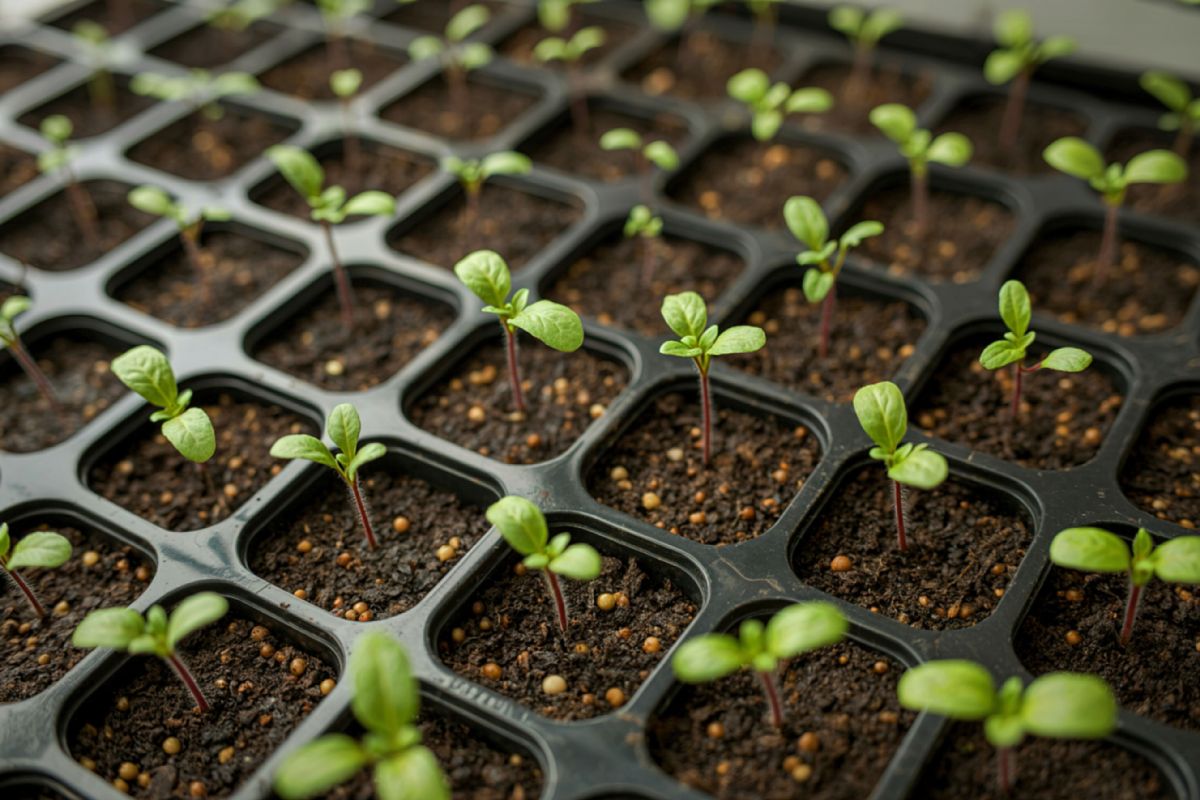
It’s simpler than it may seem to grow plants from seeds. Some gardeners like the simplicity of a grow stand (a small area in the home with some seed trays and a grow light) while others prefer using a greenhouse. The key is ensuring the proper temperature, lighting, and premium soil needed for healthy growth.
Lighting
Fluorescent and LED lights are both effective for indoor seed starting; just make sure to place them properly. LED lights are more intense and give off more heat, so they should be 20” – 30” above the seed trays and lit for 6-10 hours a day. Weaker fluorescent bulbs should be placed 2”-3” above the seed trays and stay on between 8-14 hours. Avoid direct sunlight and check your seed variety for more specific details.
Temperatures
Seeds will germinate at a variety of temperatures, but generally 65-75 degrees is best. Check the seed packet or guide for the ideal requirements for your variety. Heating pads will also help speed up seed germination.
Seeds
Choose regionally adapted seeds purchased from local seed suppliers and retailers known for quality products. Territorial Seed Company, Silvaseed Company, Uprising Seeds, and Hume Seeds offer varieties that are adapted for short seasons and cool climates, making them ideal in Western Washington climates. Local sellers like Christianson’s Nursery are great sources for seeds that will prosper in our area.
You may also want to consider purchasing and starting seeds that will serve as companion plants when moved outdoors. These pairings will increase crop productivity, help manage pests, improve soil health, and increase biodiversity in your garden beds.
Soil
Healthy soil gives your seeds the best foundation for growth. With its blend of 60% fine bark, 30% organic compost, and 10% pumice, Lenz Potting Mix is intended for growing plants in containers and providing both outstanding water-holding capacity and the beneficial nutrients your soil needs.
Tips for Starting Seeds in February
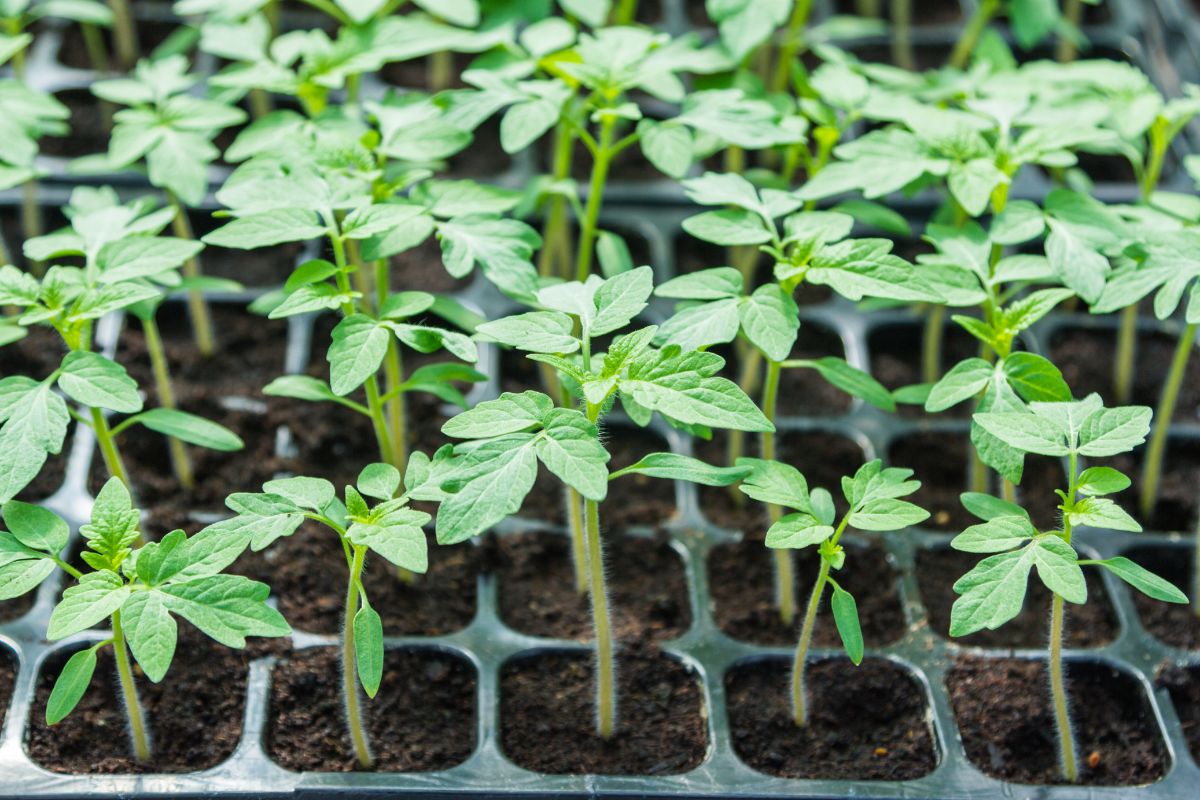
- Start with clean trays and consider using peat pots or other biodegradable options that you can place directly in the ground when transplanting outside.
- Kickstart growth by soaking seeds for 24 hours to soften the seed coat. Sow in deep pots (“root trainers”) or tree tubes using pre-moistened Lenz Potting Mix to avoid dry pockets and displaced seeds. Consult the seed packet for planting depth.
- Remove the heat source once seedlings emerge.
Potential Problems When Seed Starting
Damping off is a major problem to watch for with new seedlings. Poor air circulation and/or crowded plants may prevent seeds from emerging or result in wilting, collapse, or death. Cool, soggy soil and insufficient light also create unstable conditions. To prevent this, increase air circulation and thin out plants at the first sign of trouble for better conditions at the soil surface.
Preparing Your Garden Bed
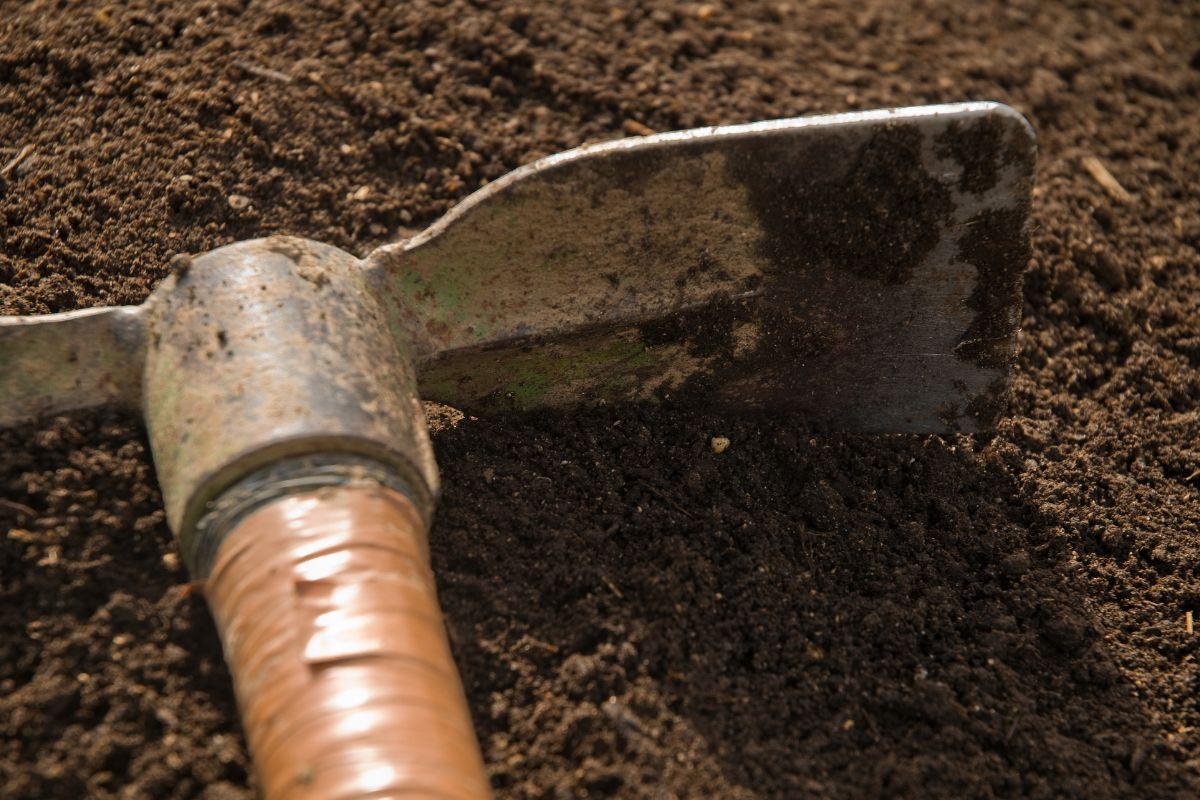
While your seeds are planted and growing, it is the time to clean up your garden bed. Pull any weeds and clear away dead leaves and yard debris. Make sure to loosen the soil by turning it to avoid compaction later. Work Lenz Compost Organic into the earth for added nutrients and long-term benefits.
It’s also important to determine how you’ll maintain your garden throughout the spring. Soaker hoses and drip irrigation systems help manage moisture levels, while Lenz Mulch will help protect soil structure and maintain moderate water levels and temperatures during unpredictable spring weather.
There are several advantages to utilizing raised garden beds, as their elevation allows soil to warm quicker. The additional vertical space enables plant roots to grow deeper–setting them up to be stronger and healthier. Planter boxes offer improved drainage and save some of the strain on your back while tending to them.
Growing Forward with Lenz Enterprises
Lenz Enterprises is committed to helping your garden grow successfully by supporting local businesses and sustainability efforts. We partner with local retailers and programs to make superior, eco-friendly resources and services available to Western Washington residents.
Visit our yard or call 360-629-2933 for additional assistance on products. Happy planting!