
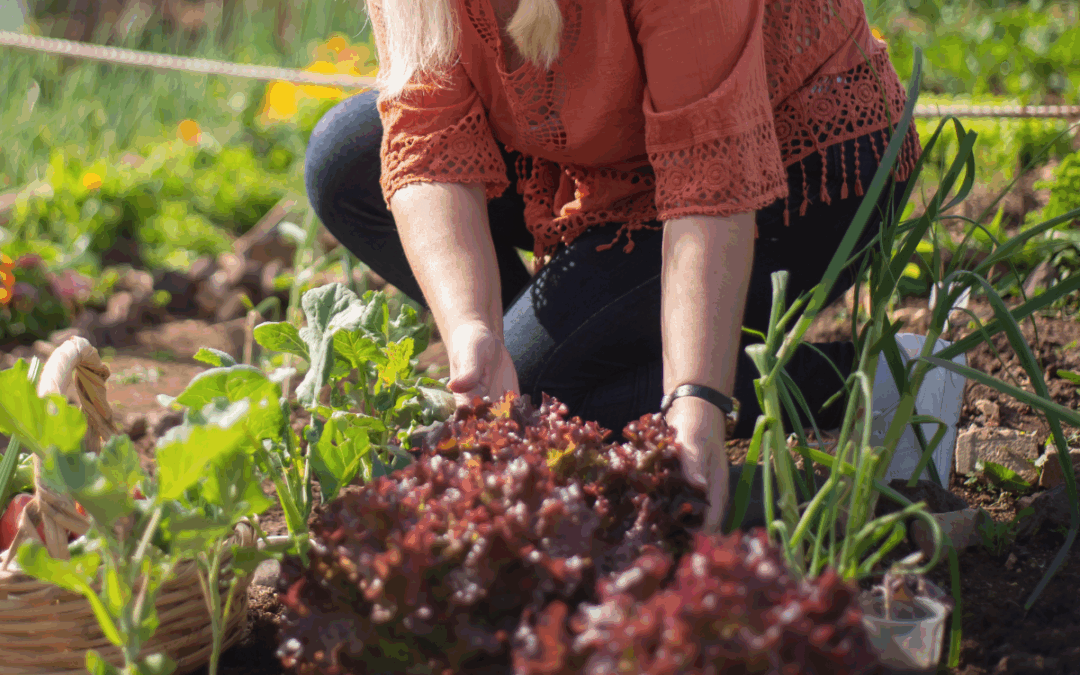
The dog days of summer are the perfect time to plan ahead, not just for cooler temperatures but for future harvests! From soil prep and plant selection to crop rotation and cover crops, there’s plenty you can do now to benefit your PNW garden for fall and spring.
And it all starts with your goals.
Do you want homegrown vegetables as part of your Thanksgiving meal? Are you looking to restore soil health? Would you like to see a bit of color in your flower beds in Autumn? Or maybe you’re intent on getting the ground ready for spring planting. You can accomplish all of these in August, even when it’s hot outside.
In this blog, we’ll dig into how the actions you take now to plan, prep, plant, and maintain your garden beds will provide optimal results over the upcoming seasons.
Planning Ahead
Believe it or not, there are plenty of things you can plant now to enjoy this fall, including veggies and flowers. Lettuce, broccoli, beets, mustard, arugula, and cilantro will all produce in a matter of weeks to months, and you can even plant fall-blooming crocus and colchicum as soon as the heat subsides and see blooms 4-6 weeks after they’re in the ground.
It is also a great time to begin designing your spring garden beds. Just hold off on planting most of your bulbs until the weather cools down. With the exception of those mentioned above, most bulbs need a period of cold temperatures before blooming begins.
Deciding what to plant is an important part of your garden design but you should also keep the following in mind:
Location. Identify the perfect spot for your garden by assessing both the location and your plants’ light requirements. For existing beds, make sure tree limbs or other growth aren’t providing unexpected shade that’s unsuitable for sun-loving plants.
Seeds and bulbs. Purchase your seeds and bulbs from a reputable supplier like your local nursery. When buying bulbs, look for those that are firm without blemishes or discoloration. Quality bulbs produce quality flowers, so beware of discounted or cheap options.
Seed packets will have important details about the number of days to maturity and winter hardiness, both of which are factors to consider in your plans. (Learn more about growing from seeds here.)
Succession planting. When it comes to crops, practice succession planting by staggering your plantings every few weeks to enjoy a steady supply of veggies when it’s time to harvest. If you’re planting now, be sure to choose heat-loving crops that can thrive in warmer temperatures.
Prepping the Ground
Crop rotation is vital to soil health. Replanting the same crop in the same location depletes the supply of important minerals over time, making them unavailable for your foliage. Instead, vary what you’re growing. You can amend your soil by adding compost, or allow 3-4 years between planting vegetables from the same plant family in one location to enable the soil to replenish properly.
Changing the location of your existing plants has an extra bonus: it interrupts the food supply for pests, providing important protection against insect infestations and disease.
Prepare your garden beds by pulling weeds and removing any grass or ground covering. Plants typically prefer well-drained, medium sandy loam that doesn’t dry out too quickly or hold too much moisture after heavy rain, so you’ll need to till the earth and amend the soil with rich, organic residuals like Lenz Enterprises GreenBlenz Compost or OMRI-certified GreenBlenz Compost Organic. These mixtures help with drainage and replaces key nutrients like carbon to provide the best foundation for supporting root growth.
While compost adds carbon to the upper layers of the earth, it is also important to increase the soil’s carbon-holding capacity by going deeper in the ground. Planting cover crops accomplishes that. The practice also helps to control erosion, break up compacted soil, and suppress weeds. Many plant varieties work well as cover crops. This time of year, consider planting soybeans, buckwheat, and sorghum – all of which germinate and emerge in a few days or weeks.
Planting and Maintenance
To plant seeds or seedlings, smooth the dirt for a flat, even surface and ensure your soil is moist. Place seeds or seedlings in the ground, slightly deeper than you would for spring planting to offer a bit more protection from the warmer temperatures and strong sunlight.
The planting depth varies for bulbs, so familiarize yourself with the best depth for your particular choices. Place just one bulb in each hole.
Water your garden beds thoroughly just after planting, and 1-2 times per week to keep the soil damp. To prevent fungus growth, water in the early morning.
Maintaining a consistent moisture level is key. Seeds will struggle in ground that is too dry, but overwatering will wash them away. To avoid this, cover your soil with Lenz Mulch, which is blended with GreenBlenz Compost and helps moderate ground temperatures, balance the moisture levels, and protect against erosion.
Time to Dig in
Summer temperatures may mean a slower pace for many people, but for growers, the planning, planting, and growing window continues. With proper forethought and timing, you can enjoy a bounty of blooms and fresh produce right up until cold weather takes hold, plus you’ll be ahead of the game and ready for fantastic results when spring rolls around!
Thanks for Reading!
If you found this article helpful, get to know us by following Lenz Enterprises on Facebook and Instagram. We regularly provide education about soil, compost, and Earth materials, gardening advice and plenty of humor too! If you’re located in western Washington and need compost, mulch, or soil, give us a call at 360-629-2933—we’re here to help!