
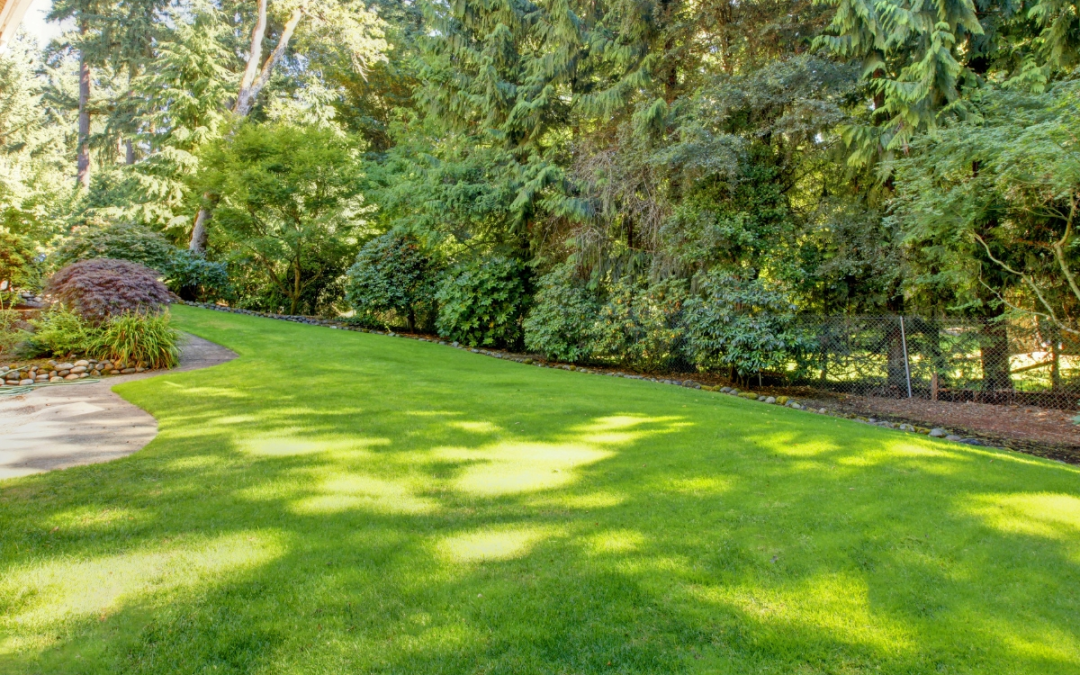
June is that sweet spot in the Pacific Northwest, with warmer soil, longer days, and enough moderate stretches to make steady progress on your outdoor projects. This window is important because the tasks you tackle right now can set the tone for how your yard performs all the way through August.
Here are four high-impact Pacific Northwest yard-care projects for your June to-do list, and the science behind why their timing is everything.
Why Should You Mulch Your Garden Beds in June?
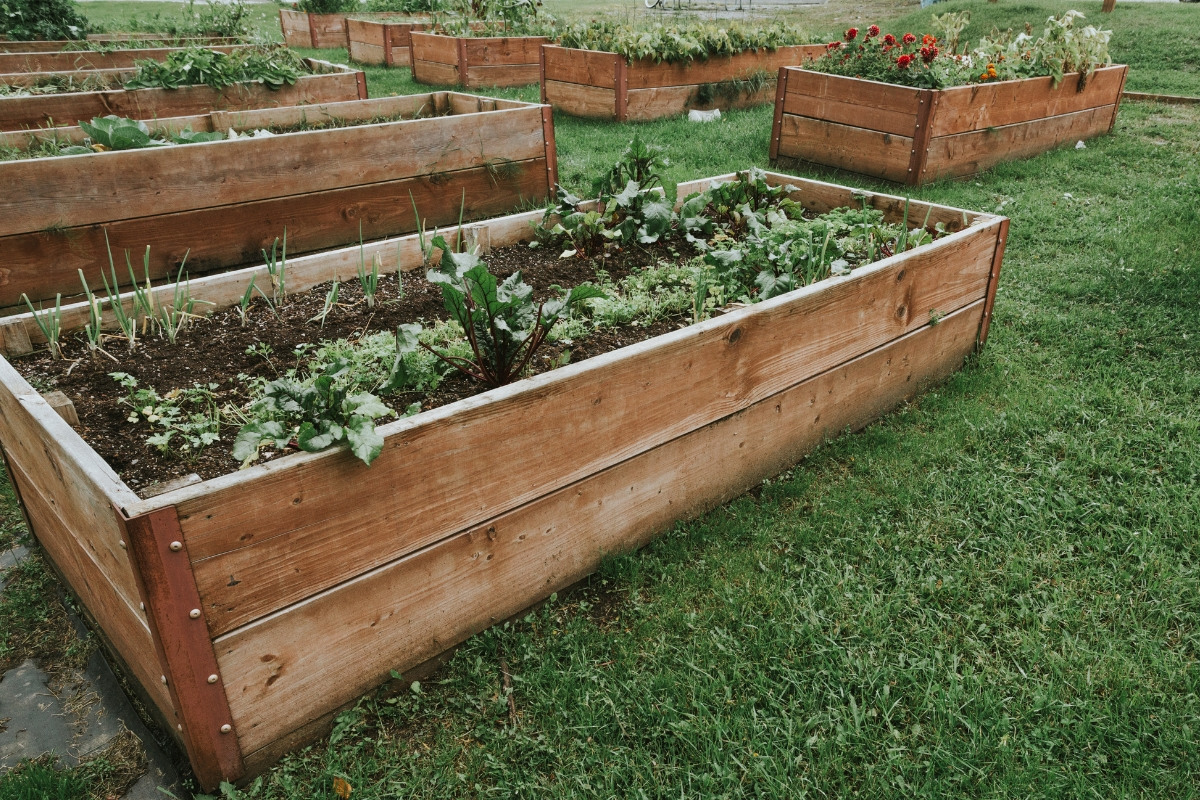
June is the ideal time to mulch your flower and vegetable beds for one surprisingly simple reason: Western Washington summers tend to be dry. Once July hits, the PNW can go weeks without meaningful rainfall. By mulching now, you’re building a moisture buffer before your plants really need it.
Mulches have many benefits. But one stands out at this time of year: their ability to improve soil moisture retention during the summer. They do this by preventing evaporation at the soil surface. A well-applied layer of coarse, organic mulch is one of the best ways to effectively mulch garden beds for appearance, weed prevention, and to slow the sun’s ability to pull moisture from the soil.
How much mulch do you need to reap the most benefits for your beds? Generally, 3-4 inches, as anything less than 2 inches, is not enough to make a real difference in water retention or weed suppression.
There’s also another tip worth knowing: mulch with coarser materials is often the best mulch for garden beds in regions that receive heavier rain. Fine-particle mulches, like sawdust, can compact under rainfall, forming a dense layer that can repel water over time. Coarse, woody materials like Lenz Mulch, a blend of fine red bark and hearty compost, can better withstand rain, decompose more slowly, and hold moisture for longer, helping plants through the drier months.
Mulch can be applied across your flower and vegetable beds, but be sure to keep it pulled back a few inches from plant stems and tree trunks to prevent rot. Mulching right after a good watering or on a rainy day can help trap water for future use rather than sealing in dry soil.
When Should You Plant Warm-Season Vegetable Starts in the PNW?
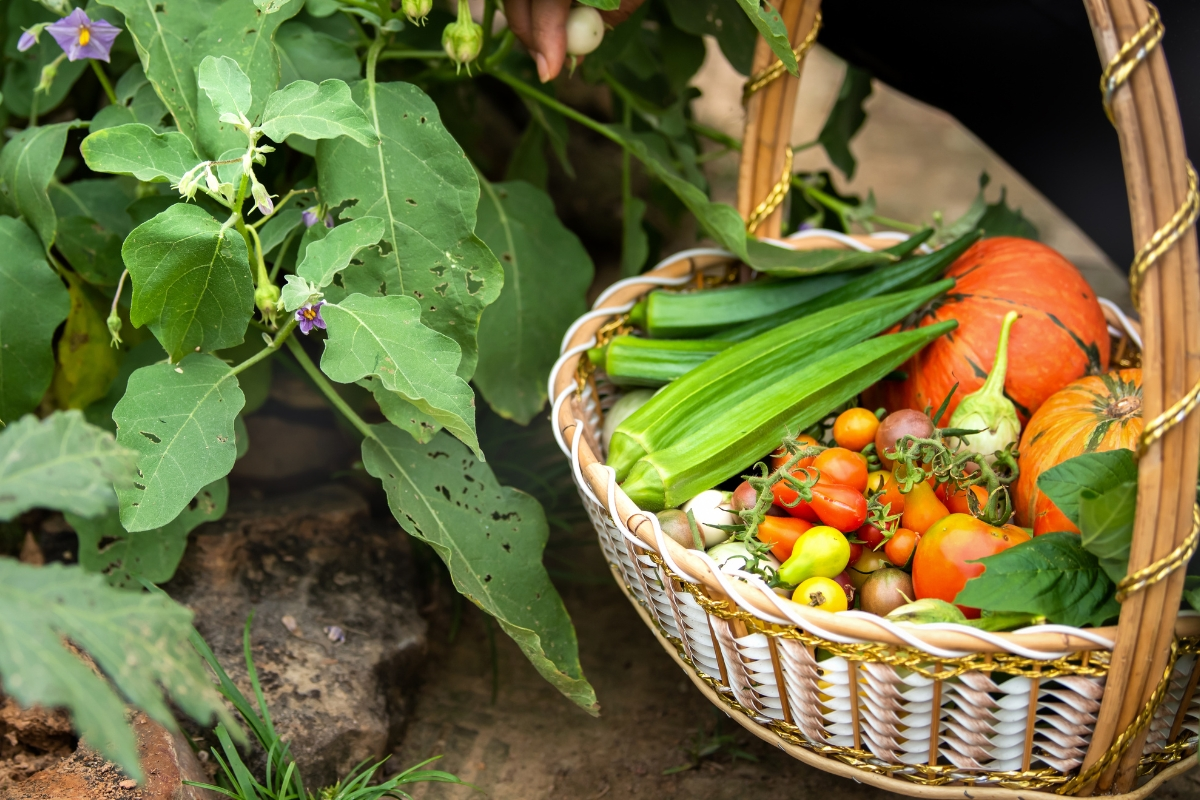
Late May through early June is the best time for planting vegetables here in the Pacific Northwest. There are a few reasons why it’s actually a better window than most people think.
Warm-season vegetables, like tomatoes, peppers, cucumbers, squash, and beans, are damaged by frost and need soil temperatures of at least 60 degrees Fahrenheit to thrive. Western Washington gardening zones usually don’t reach these temps until late May at the earliest, with early to mid-June being the average. At minimum, you’ll want to wait until after the last frost date before putting your warm-season starts (young transplants from a nursery) in the ground.
Rather than direct seeding in June, buying starts gives plants enough time to produce a harvest before fall sets in. The PNW growing season is compressed because warm weather arrives late and exits early. So warm-season plants, like tomatoes, peppers, and eggplants, can benefit from an early head start in a nursery before being transplanted, rather than starting from seeds in June.
One thing to be aware of, however, is the health of the soil in your garden beds. If they are brand new or have been sitting empty since last fall, don’t just transplant them straight into the existing soil. Instead, amend your soil with a few inches of Lenz Compost before planting to help boost soil health and support plant growth over time. Feeding the billions of microorganisms that cycle nutrients within your beds with compost improves soil macro- and micronutrient levels and soil structure. This can help ensure your transplant’s roots have an ideal environment in which to grow.
After planting your starts, water them well, then mulch between rows with Lenz Mulch to keep soil moisture consistent during the warm months ahead.
Why June Is the Best Time for Gravel Repairs in Western Washington
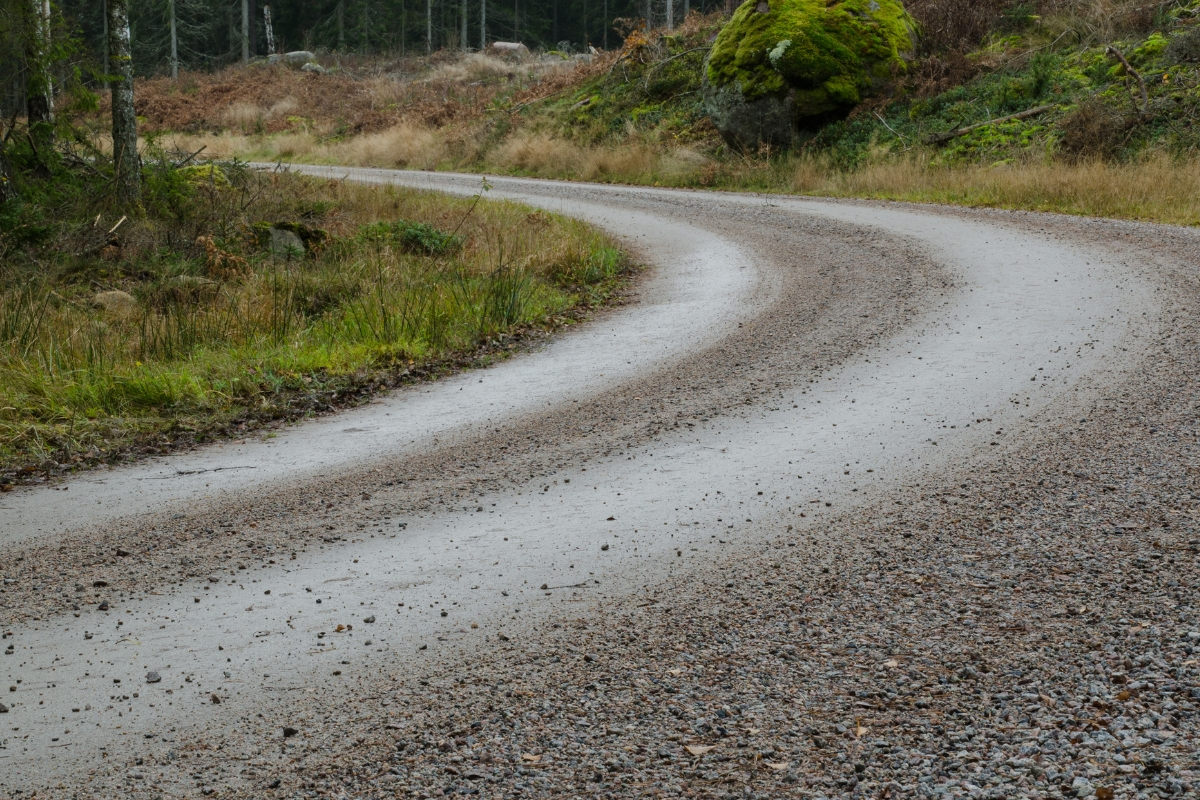
June is typically when the dry window opens up in the Pacific Northwest, making it a great time for gravel pathway maintenance and driveway restoration.
Gravel surfaces really take a beating here over the winter. Months of heavy rainfall shift and compact the material, vehicles and foot traffic create ruts, and frost heave can push gravel out of position entirely. By June, we’ve typically had enough consecutive dry days for the ground to firm up. This is a necessity for new gravel to seat properly during a gravel driveway repair.
If you add a fresh layer of gravel over wet, soft ground, the new material won’t compact correctly. Instead of locking in and stabilizing, it shifts and spreads. A dry stable base allows the gravel to pack down firmly and stay exactly where you put it.
For pathways and decorative areas, a 2-3 inch layer of ¼” Minus Crushed Rock helps replenish what’s been displaced over the winter. Giving you a clean, defined surface for the summer months. Larger driveways and high-traffic areas benefit from a blend of fine particles and larger rock, like 5/8″ Chips at the bottom on 5/8” Minus on top. This mixture can compact into a firm, stable surface that holds up to vehicle traffic while also draining well.
If you’re not sure how much you’ll need, use the free Lenz Materials Calculator to figure out cubic yardage based on your pathway or driveway dimensions.
How Do You Fix Gravel Driveway Potholes Before They Get Worse?
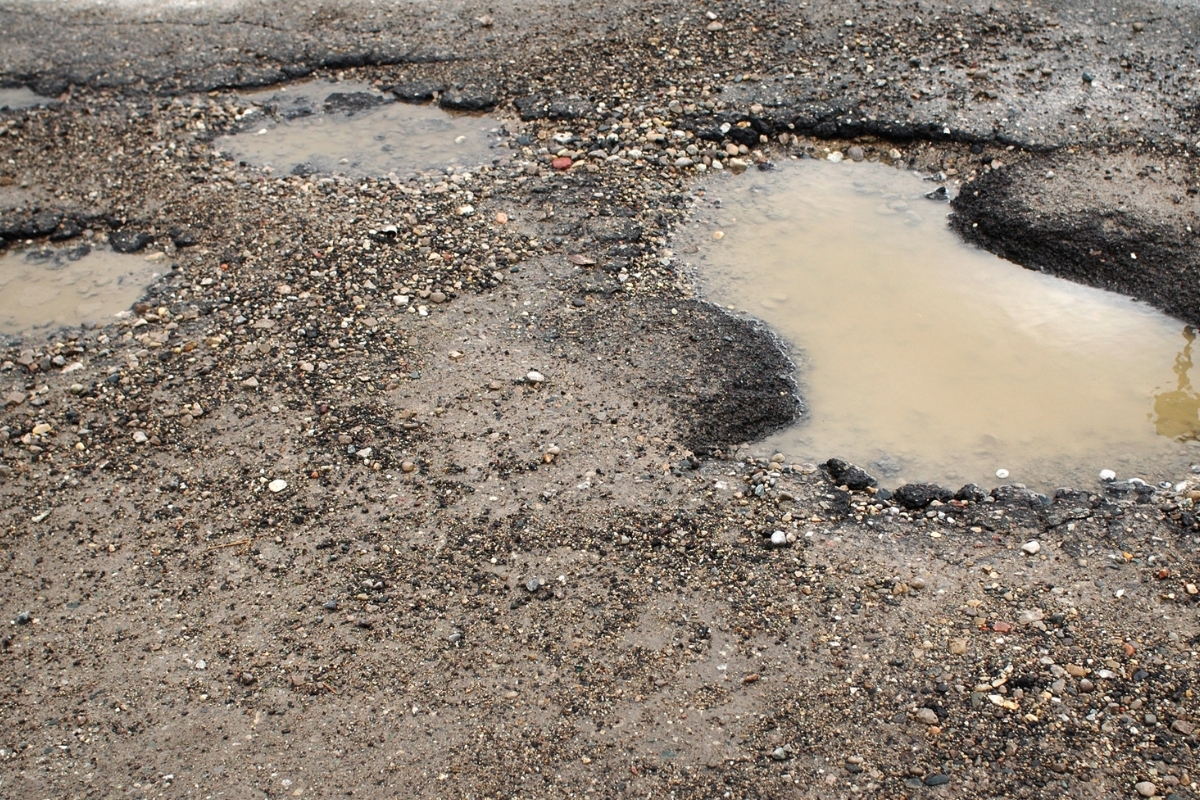
Address any problem areas now, starting in June, before summer traffic makes them deeper.
Potholes in gravel driveways form when water saturates the subgrade underneath the surface layer, softening the base of your drive and allowing the weight of vehicles to punch through it. Over a wet PNW winter, the process speeds up. By spring, what started as a shallow depression becomes a proper pothole that catches water and deepens with every passing car.
The fix isn’t complicated, but there are a few steps that are important to get right. Start by raking out any loose or displaced material from around the pothole. Fill the depression with fresh gravel, overfilling it just slightly (about an inch above the surrounding surface level). Then, compact it down firmly. The easiest tool for a driveway repair is a hand tamper or plate compactor (available to rent from most local equipment rental shops). The goal is to drive the fine particles into the gaps between the larger rocks, so the repaired area behaves as a single, stable unit instead of a pile of loose gravel.
Drier weather is your friend here, too. Attempting this repair on a wet driveway means the new material won’t compact properly, and the repair may fail after a few rainy days. The dry window stretching from June to August gives your pothole repairs time to set before the Pacific Northwest rains return in the fall.
Get What You Need from Lenz Enterprises
All four of these June projects: mulching beds, planting warm-season starts, restoring pathways, and fixing potholes, are straightforward when you have the right materials.
As a trusted landscape materials supplier in the Pacific Northwest, Lenz Enterprises offers bulk mulch delivery, compost, and gravel delivery near you, making it easy to get exactly what your project requires.
Not sure which product to choose or how much to order? Give us a call at 360-629-2933. We’re happy to help you figure it out.