
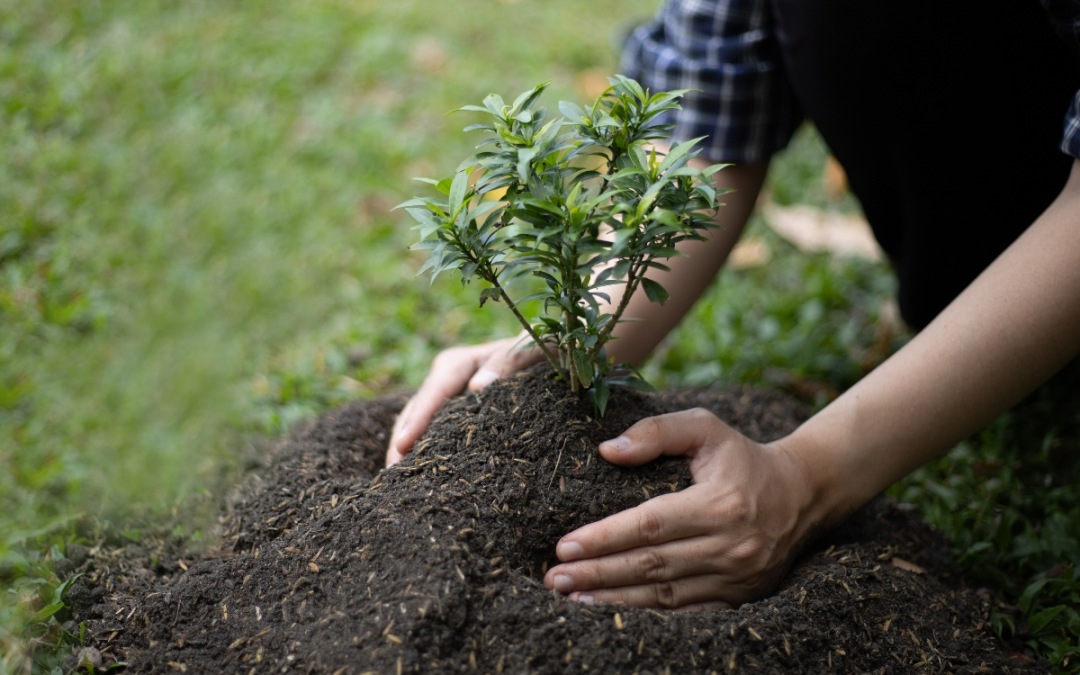
If you’ve been waiting for the “right time” to add trees or shrubs to your landscape, fall is perhaps the most strategic planting window in Western Washington.
Why Is Fall The Best Time to Plant Trees and Shrubs?
In early fall, the soil is still warm, but the air is cooling, and rain is returning. That combination encourages root growth while slowing the production of new leaves and stems.
In spring, newly planted trees and shrubs are often trying to establish roots and produce top growth (new leaves, stems, and buds) simultaneously. If hot, dry weather arrives before the root system is established, plants can become stressed.
Fall planting shifts more of the plant’s energy toward developing roots first, giving it a stronger foundation before active spring growth begins.
Do Tree Roots Keep Growing During a Western Washington Winter?
As long as soil temperatures stay above roughly 40 degrees Fahrenheit, root growth continues. Even though deciduous trees may drop their leaves and go completely dormant above ground, there is often still root activity well into December, and sometimes January, before soil temperatures drop too low.
That means a tree planted in September or October can spend much of the fall and early winter expanding its root system before spring arrives.
There is also a moisture advantage. Fall and winter often bring consistent rainfall that naturally supplies much of the moisture newly planted trees need. Instead of relying on frequent irrigation during a dry summer, fall-planted trees benefit from months of regular precipitation as they establish strong root systems.
How Do You Prepare Soil Before Planting Trees and Shrubs?
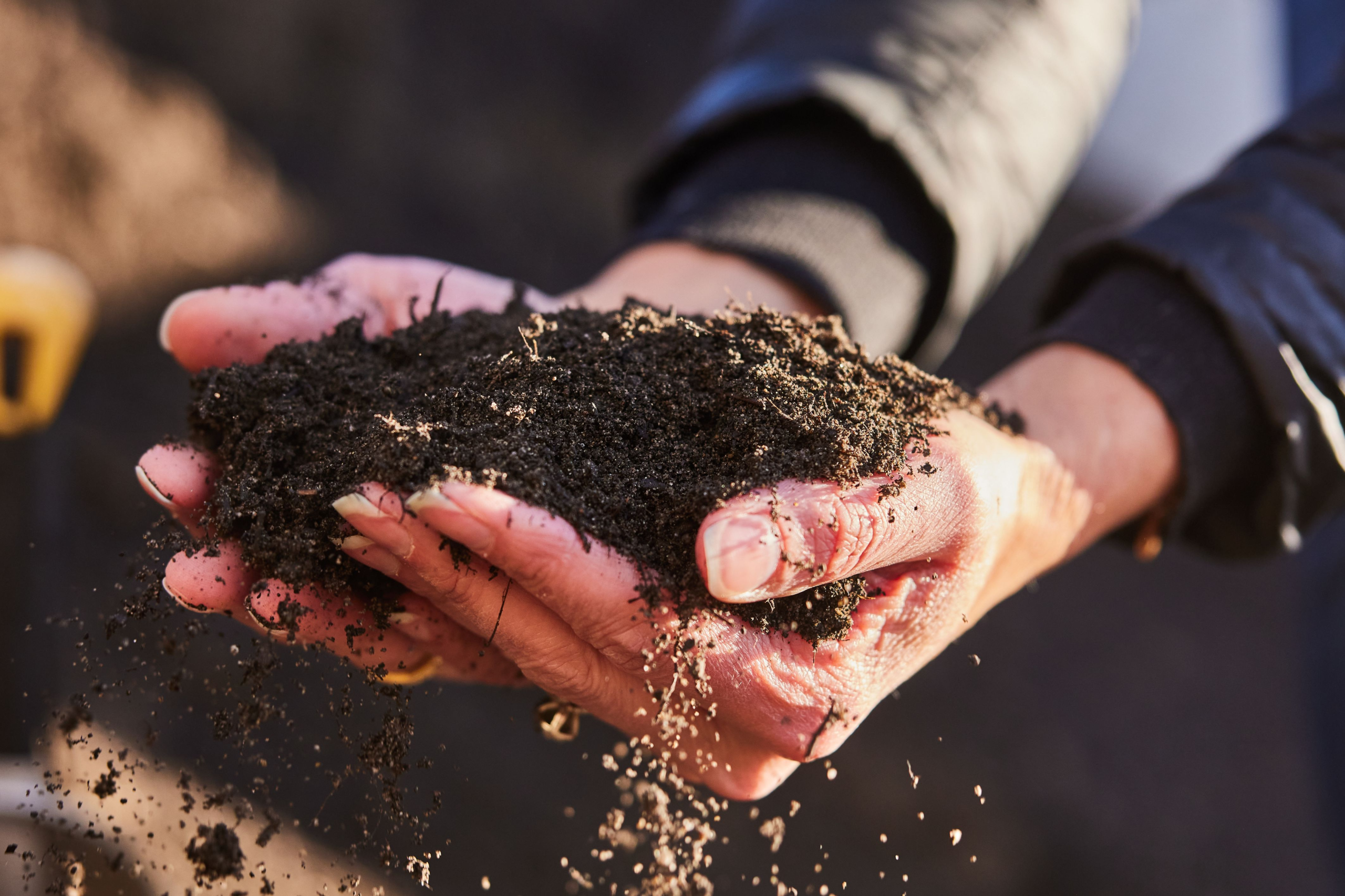
Unlike garden beds, tree planting holes shouldn’t be amended with compost or rich organic matter. Adding rich organic material to the hole can create an environment that’s drastically different from the native soil. That difference becomes a barrier, and roots tend to stay within the amended hole rather than spreading outward. This can lead to root girdling, in which a tree’s roots grow in a circular pattern around the trunk, causing stunted growth over time.
Instead, dig the hole no deeper than the root mass but at least twice as wide. Width matters more than depth because it loosens the soil that roots will grow into laterally to establish a strong plant. Backfill with the native soil removed from the hole.
If your existing soil needs improving, Lenz Soil provides a fresh foundation for healthy growth. It’s best used where existing soil is compacted, depleted, or filled with construction debris and needs to be replaced rather than disturbed. Starting with Lenz Soil before planting gives roots a workable foundation to establish and spread into.
When Should You Use Compost Around Newly Planted Trees?
Compost belongs on the soil surface surrounding the planting area rather than inside the planting hole. Spread a layer of premium Lenz Compost over the surrounding bed beyond the planting hole. As it breaks down, it improves soil structure, increases organic matter, and feeds beneficial soil microbes that support long-term soil health.
Should You Mulch Newly Planted Trees?
After a tree or shrub is planted in the ground, regardless of the season, you’ll want to apply mulch.
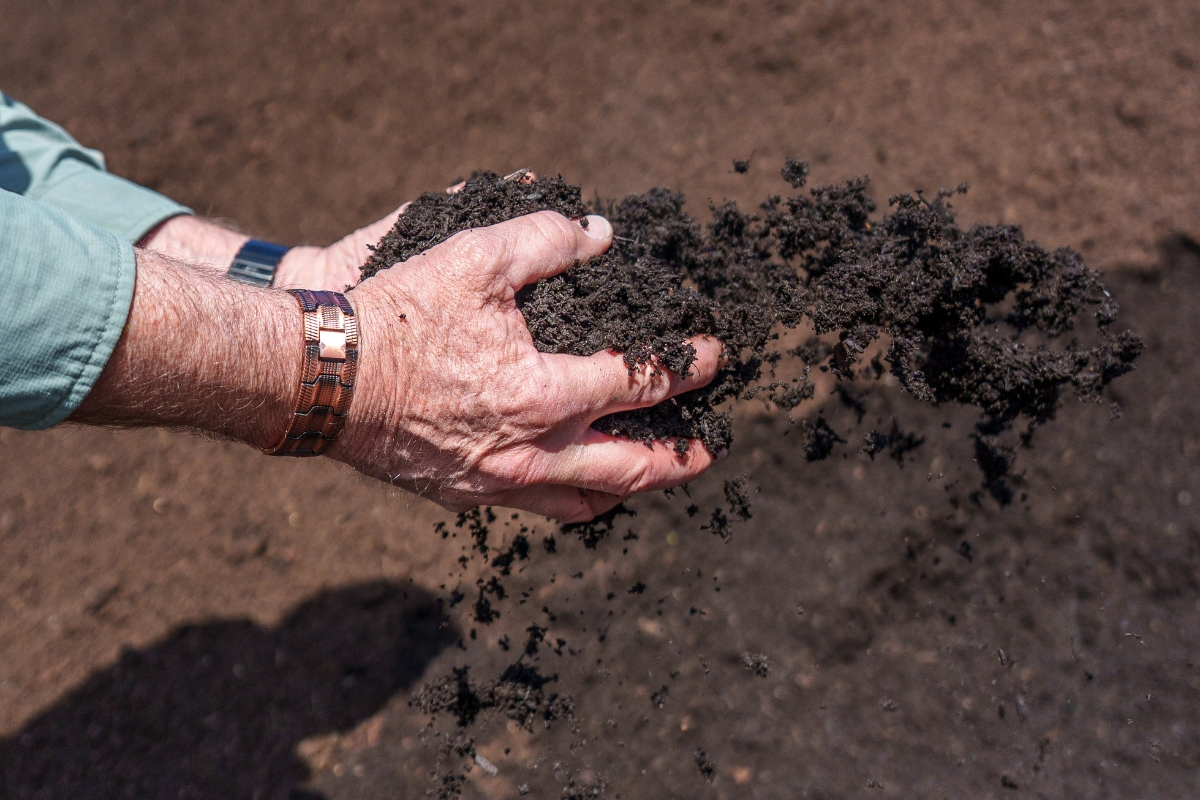
A 3- to 4-inch ring of Lenz Mulch, extended to the drip line (the outer edge of the canopy), offers several benefits. It keeps soil moisture consistent through the brief dry spells that can occur in fall. It buffers soil temperature, preventing the freeze-thaw swings that can heave shallow roots out of the ground during a winter cold snap. It also suppresses weeds that would otherwise compete with an establishing root system for water and nutrients. As it breaks down over time, it returns organic matter back to the soil. This builds the kind of biologically active environment that supports long-term plant health.
After applying your mulch ring, pull it back 2-3 inches from the trunk. Contact between mulch and bark traps moisture, creating conditions that can lead to rot or pests.
Should You Stake Newly Planted Trees?
Unless the site is exposed and consistently windy, most newly planted trees don’t need staking. Trees naturally become stronger when they’re allowed to move slightly in the wind. This response, called thigmomorphogenesis, stimulates the tree to build stronger structural wood. A tree that’s rigidly staked can’t develop the same strength.
If the site conditions truly call for staking, use two stakes placed outside the root zone and attach them loosely enough to allow for some movement. Remove the stakes after one growing season.
Make the Most of the Fall Planting Window
The window for fall planting in Western Washington generally runs from September through November, with early planting giving roots as much time as possible to establish before spring.
If you’re planning a fall planting project, Lenz has bulk and bagged soil, compost, and mulch to help you get started. You can use our helpful online Materials Calculator to figure out how much you need, or give us a call at (360) 629-2933 or stop by our yard in Stanwood; we’ll be happy to discuss your project.