

What Your Spring Lawn & Soil Needs
After months of cold temperatures and heavy rainfall, you’re ready for backyard fun in the sun. But is your lawn ready?
Once the weather starts warming up, you’ll notice a key sign of life: dormant lawn grass turning from brown or yellow to bright green. This color change is typically a good indicator that it’s time to start revitalizing your lawn.
For grass to stay green and lush through the spring and summer, you’ll need to take several important steps now to prepare your lawn and soil. (And if your backyard is completely bare of grass or is extra patchy after winter, many of these steps are even more essential).
We’ll cover exactly what you need to do to revitalize your spring soil after a long winter, how to troubleshoot common spring lawn issues, and how to choose the best soil products for your spring garden renovations.
7 Key Steps For Revitalizing Spring Lawns
Step 1: Address any problem drainage areas
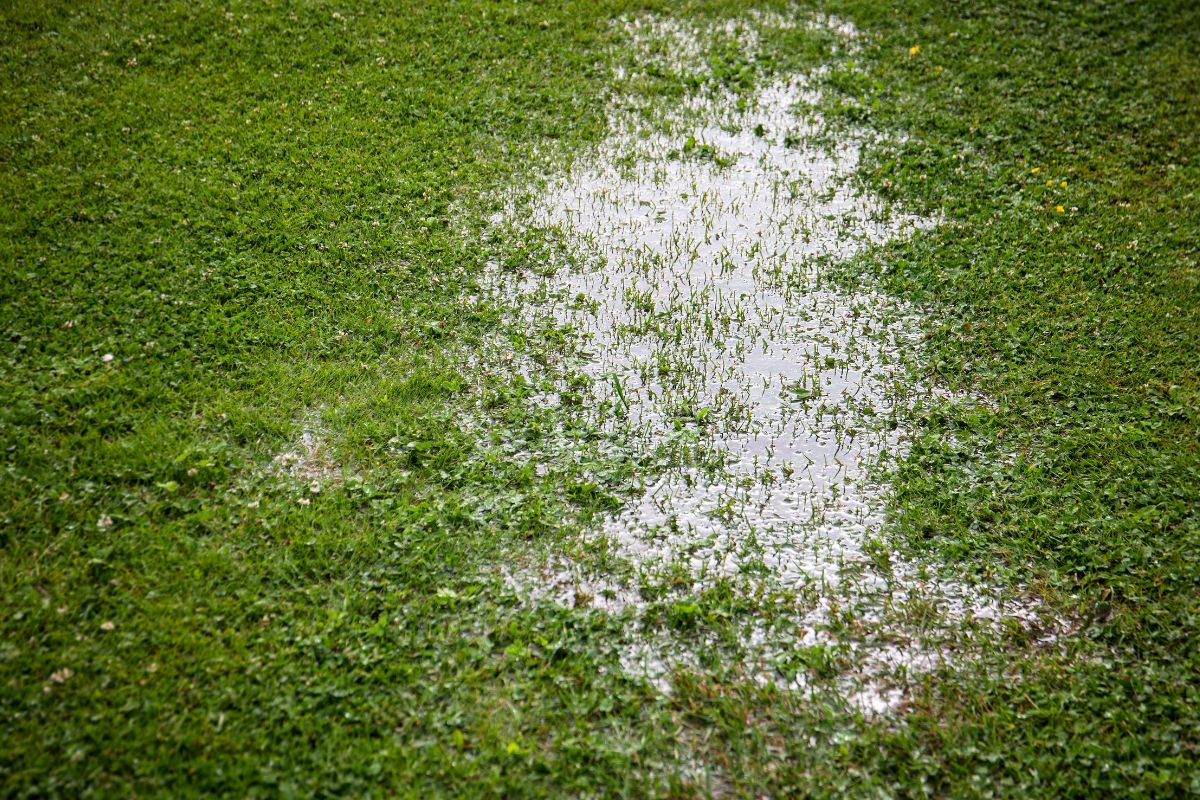 There’s a silver lining to the wet, rain-filled PNW winters: all of that water can show you the problem areas in your yard.
Take a careful look at your lawn during the rain and see: Where does the water pool up? What direction does water overfill flow? How quickly does the water dissipate back into the soil? And are any areas so muddy that the grass is completely trodden down?
Answering these questions can help you identify and address any problem areas properly.
For example, if you put down new seed in a spot where water runs off aggressively, that seed is likely to be dislodged during spring showers. Before putting down seed you may need to use a sandy topsoil, like Lenz Premium Turf Mix, to level your lawn.
Step 2: Clean up debris and fallen leaves
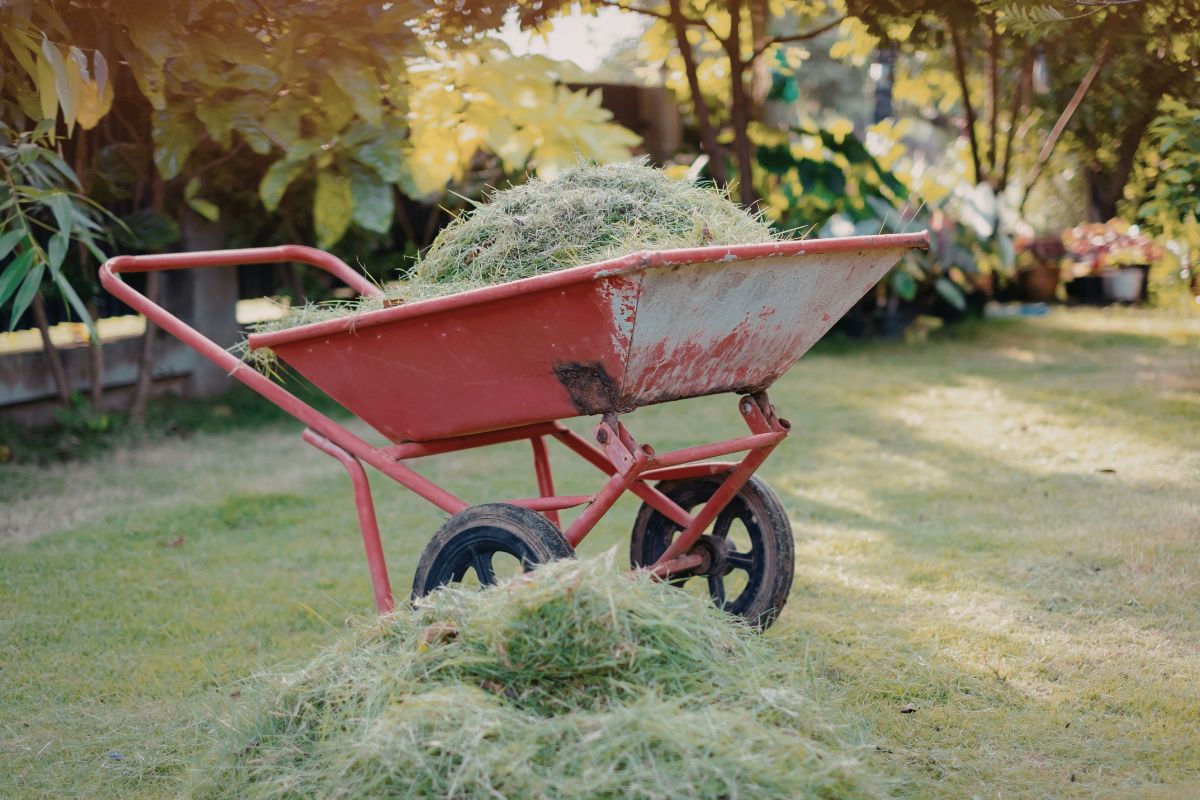 After winter, lawns are typically full of leaves, twigs, sticks, dead grass cuttings, and other debris. This debris can prevent new grass from growing or can cause healthy grass to yellow and die under the weight of heavy blankets of leaves or large sticks. Removing it prevents these issues and also clears the area for mowing.
After several sunny days in a row is a great time to clean up debris. This gives leaves and spent foliage a chance to dry out, making them easier to rake up. And, if you have pets and have been putting off the dreaded poop scoop during the rainy winter, a couple of days of some sun will make it easier to distinguish the mud from the unmentionables (and makes the piles drier, firmer, and easier to scoop!).
Step 3: Mow overgrown grass to prepare for aeration
 While many types of grass turn dormant during the winter to survive frost and harsh temperatures, some varieties continue to grow, just very slowly.
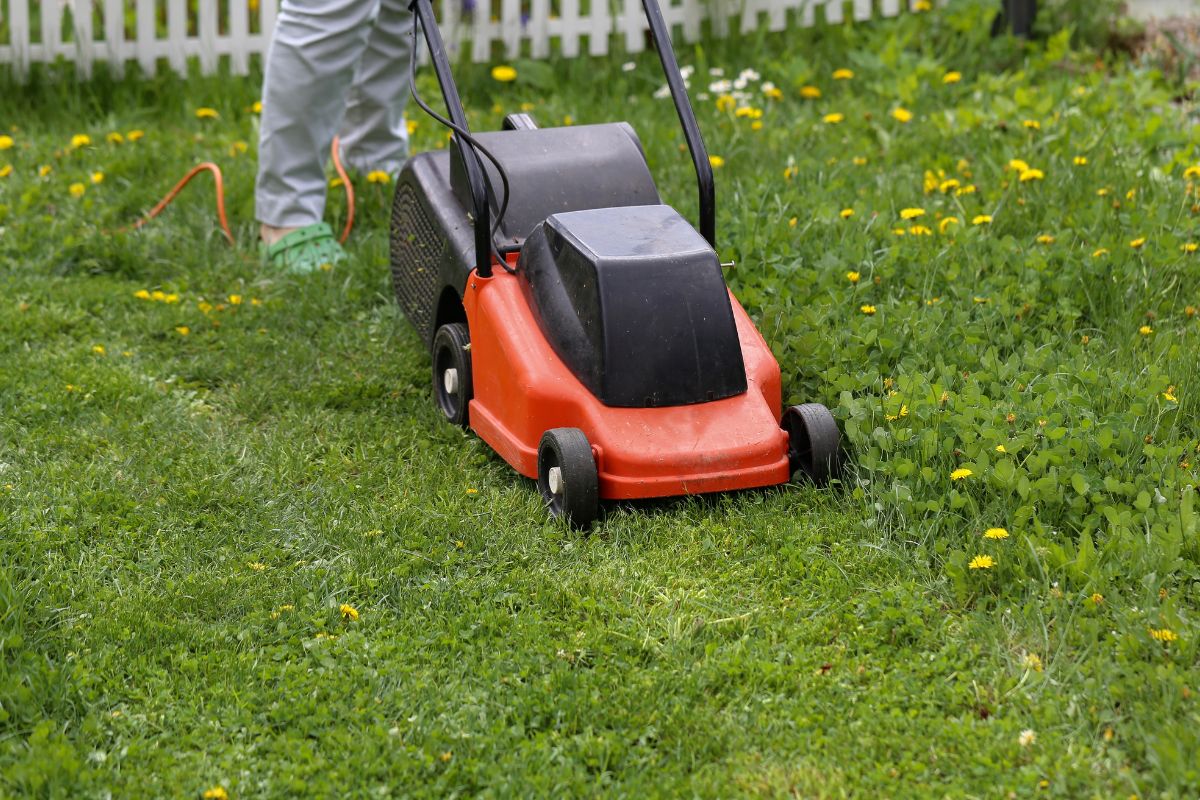
Once your grass starts turning from brown to green, it’s time to pull out the lawn mower again. With wet winters, it’s best to mow after several days of sun so that the grass cuts cleaner (and so you don’t have to drag a lawn mower through the mud).
For that first spring mow, you want to mow your grass very short to prepare for aeration. You’ll want a grass height of 1.5-2 inches for the aeration process to work properly.
If you missed a final mow before winter or your grass has grown back patchy in large clumps, a first pass using a string trimmer to cut very long grass can make mowing much easier.
Step 4: Aerate the soil to decrease winter compaction
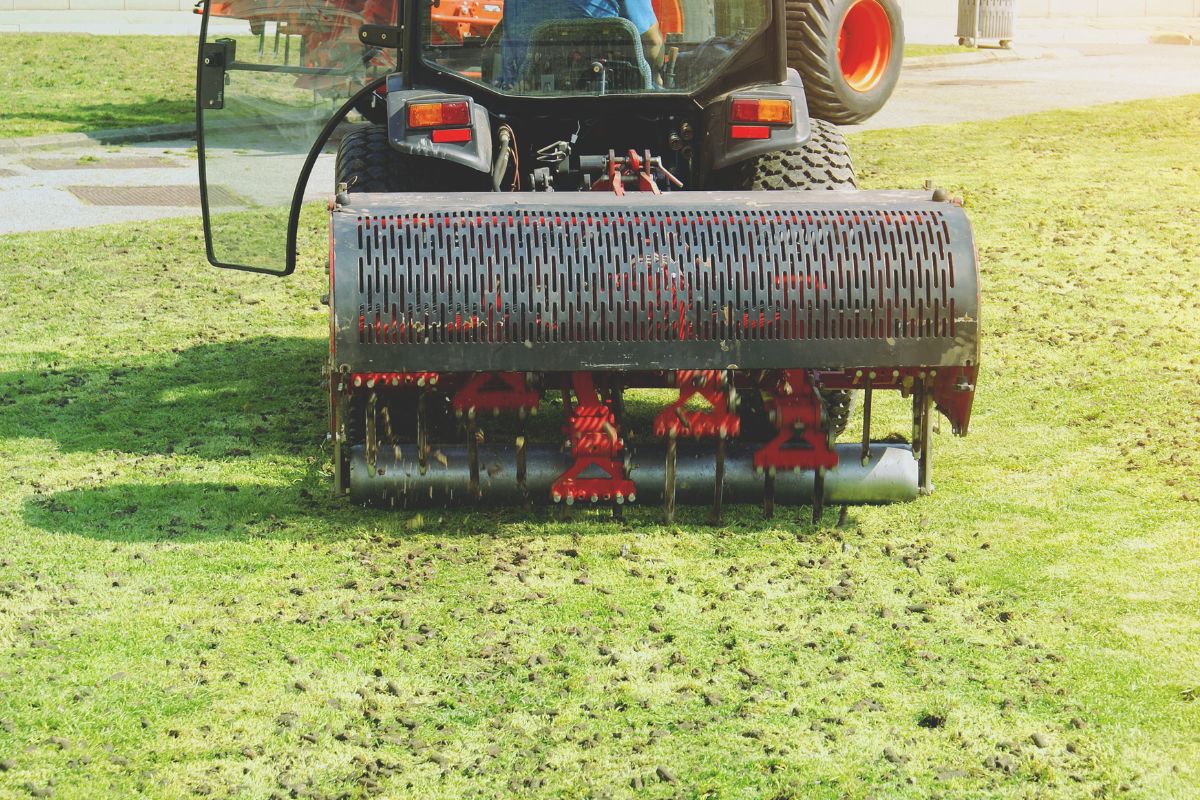 Yearly or bi-yearly soil aerating is an industry standard for a reason – aerating the soil solves a multitude of lawn troubles including compact winter soil, heavy clay deposits, depleted soil nutrients, thin lawns, and more.
Aeration creates thousands of small vertical shafts throughout the lawn, breaking through the dense grass thatch layer (the layer of living and dead organic matter in the subsoil made up of grass roots, stems, and debris). These empty shafts allow oxygen, water, and organic nutrients to reach deep into the subsoil – the layer directly under the surface soil where grass roots grow.
Aerating effectively wakes up winter dormant roots and jumpstarts a healthy spring lawn. It also creates the perfect environment for new grass seed to grow.
You can use a manual aerating tool or a mechanical core aerator: a machine that extracts small, cylindrical plugs of dirt and thatch from the ground. You can rent both from most local hardware stores.
Step 5: Topdress with organic compost directly after aerating
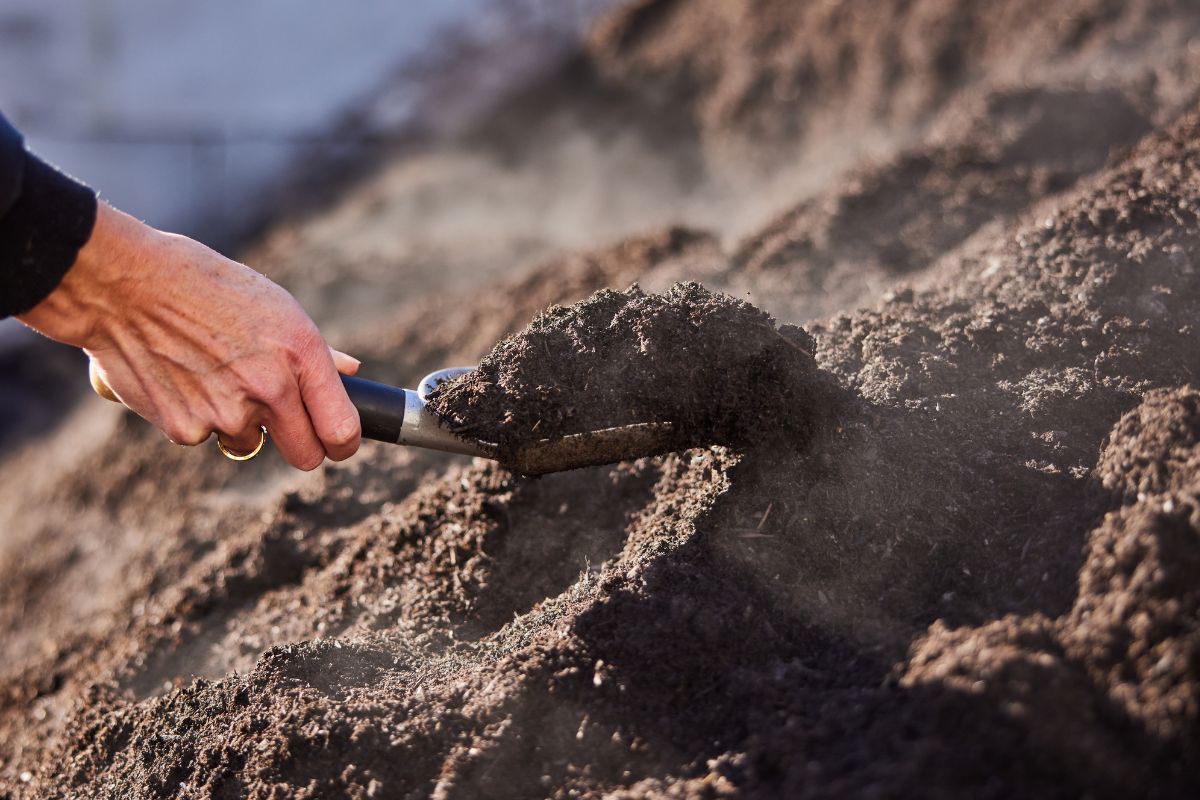 Immediately following aeration, the lawn must be topdressed with compost for a healthy, lush lawn. Topdressing spreads a thin, uniform layer of compost directly over the existing grass. By applying a high-quality compost immediately after aeration, the fine organic material falls into the hollow shafts created by the aerator.
Over the following weeks, earthworms and soil microorganisms will consume the surface compost, pulling the organic matter deeper into the subsoil. This means more nutrient-dense soil for your grass to thrive.
A good rule of thumb is to put a ¼ – ½ inch layer of compost over your whole lawn in the spring. You want enough to distribute an even level of nutrients, but not so much that you smother the grass.
Some topdressing amendments, like Lenz Turf Mix – High Traffic, incorporate sand with the compost to level out patchy, uneven lawns and prevent compaction in high-traffic lawn areas.
Step 6: Overseed for a more lush lawn and fewer weeds
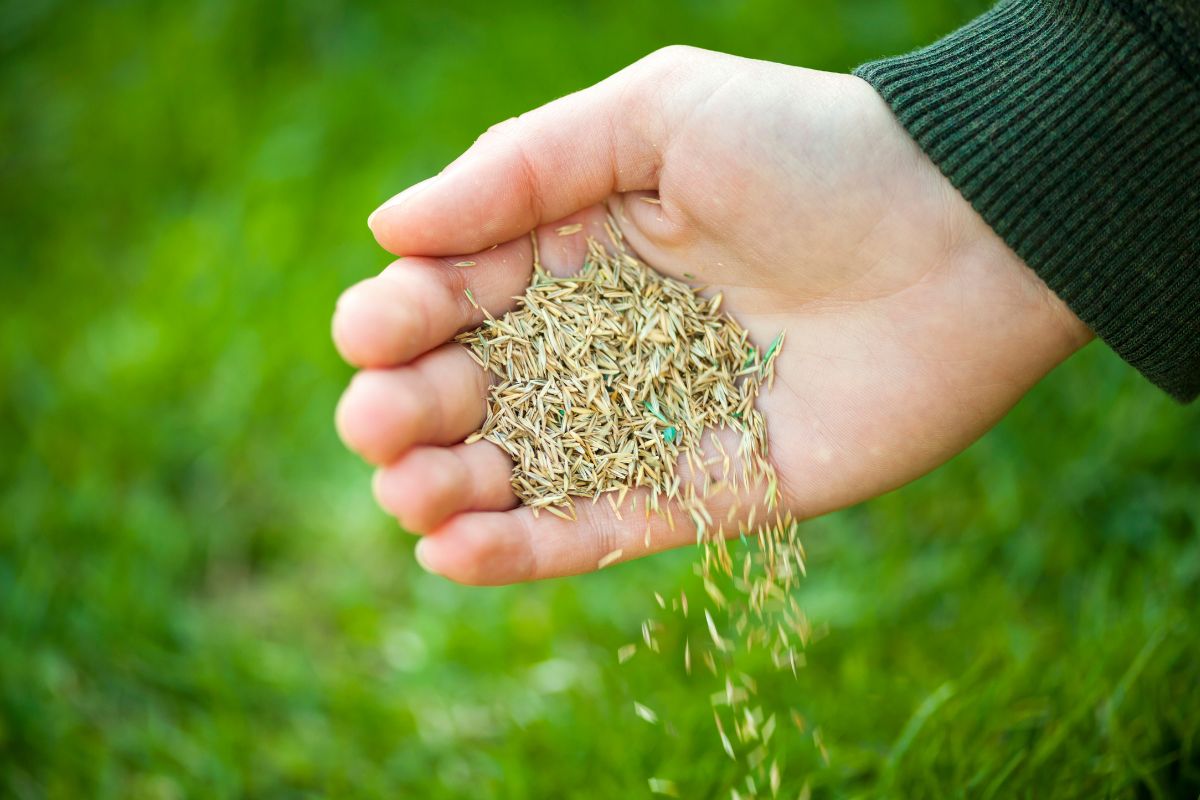 With the soil opened by aeration and nutritionally primed by the compost topdressing, it’s time for overseeding. Overseeding is the process of scattering new grass seed directly onto the existing turf. This increases grass density and leads to a more lush, full lawn.
Over time, all lawns naturally thin out due to environmental stress, foot traffic, and disease, creating patches where invasive weeds flourish. A dense, tightly knit turf canopy is a natural defense against weeds and keeps your lawn looking great.
The success of overseeding relies on seed-to-soil contact. The open aeration holes and the moist, protective layer of newly applied compost provide the perfect micro-environment for new lawn seeds to germinate.
You can also apply an organic, high-quality starter fertilizer at this time. Find a fertilizer that is specifically formulated for new seeds and avoid regular fertilizers until the new grass is established.
Step 7: Create a watering plan
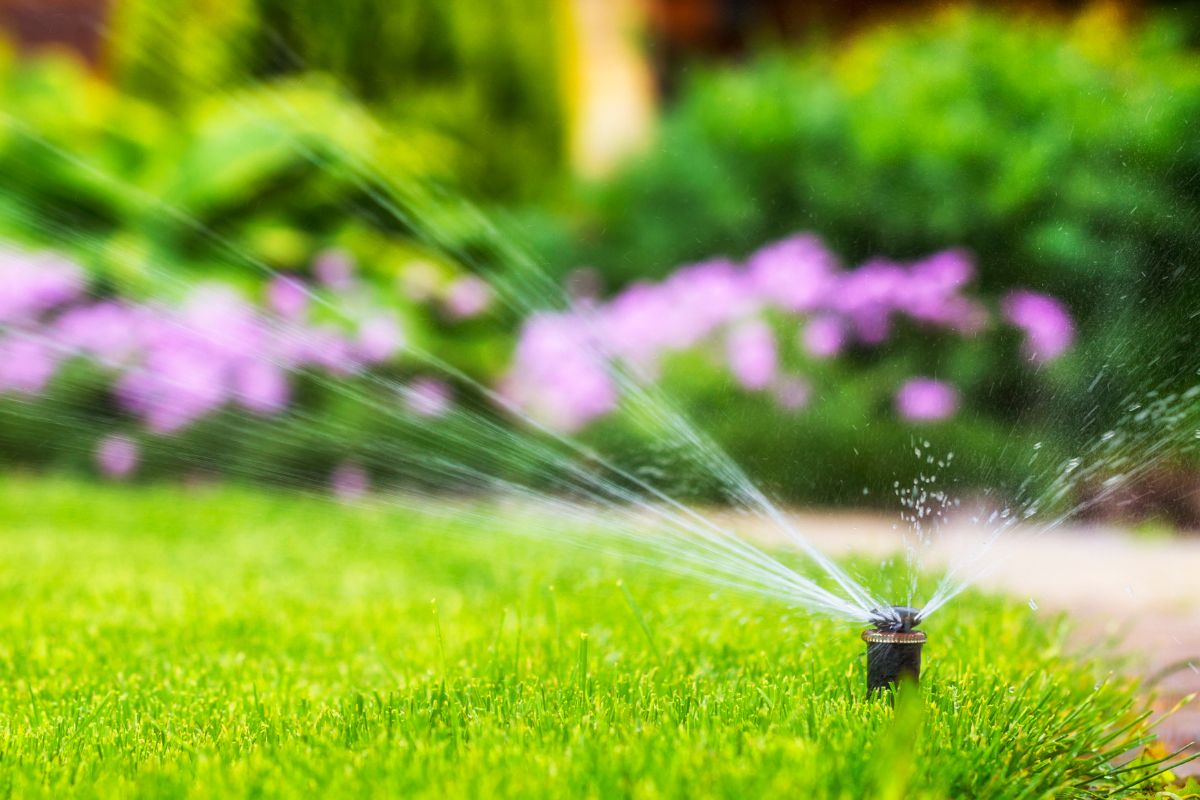 For the new grass seed to germinate, your lawn will need water. You want enough water that the soil stays moist but not so much that the water pools and risks dislodging the seed.
For new seed, shorter, more frequent waterings is more effective. Watering 2-4 times a day for 5-10 minutes at a time gives your grass seed the best chance at germinating successfully. You can use a gentle hose nozzle setting or an oscillating sprinkler head attachment to keep the ground moist on sunny days.
Troubleshooting Spring Lawn Issues In The PNW
If you’re trying to revitalize a lawn in the PNW, you may be facing a few unique regional lawncare challenges.
Too much moisture: The lush green forest of the PNW doesn’t get that way by chance. Rain, rain, and more rain are to both thank and to blame if you’re dealing with an oversaturated lawn. High rainfall causes flooding, soil erosion, and soggy lawns. Luckily, high-quality compost and a few good lawn care practices can help! PNW lawns benefit from managing water flow (carefully placed gutters and french drains), regular aerating to keep the soil from compacting, and high-quality compost to improve soil structure and water absorption.
Compacted, muddy soil: Trodden, muddy, compacted yards are a common problem in PNW after months of winter. Wet winters mean lots of mud that gets pressed down, suffocating grass and keeping the water from properly absorbing into the soil. Aerating a compacted lawn does wonders for loosening up the soil and improving water absorption, leading to healthier grass roots and growth.
Newbuild soil depletion: If you have one of the many newbuild homes in the PNW, you may be facing bare, heavily compacted soil. It might seem like a blank slate, but there are several key steps you need to take to ensure your soil is actually ready for landscaping and lawn seed. During new home construction, the biologically active topsoil is typically stripped from the construction site. For a new lawn that matches your beautiful new home, you’ll need high-quality organic compost and soil to lay the foundation for a healthy lawn.
Protecting the delicate larger ecosystem: Synthetic compost and soil amendments contaminate waterways leading to the Puget Sound via runoff from rainy days. Using eco-friendly products not only creates a healthy, biodiverse lawn and garden in your own yard, but helps the wider Pacific Northwest’s ecology as well. (Learn more about how compost creates healthier soil and helps prevent toxins from reaching our waterways.)
Large deposits of clay soil: The PNW is known for large clay deposits, especially in new build lawns. Grass benefits from loamy, loose, well-structured soil that grass seed can easily create a strong root system in. Clay soil is compact and hard. Aerating and amending clay soil is a must for strong, healthy soil that can support a beautiful green lawn.
The Best Products For Healthy Spring Lawns & Soil
Premium Turf Mix: A Must-Have for New Or Patchy Lawns
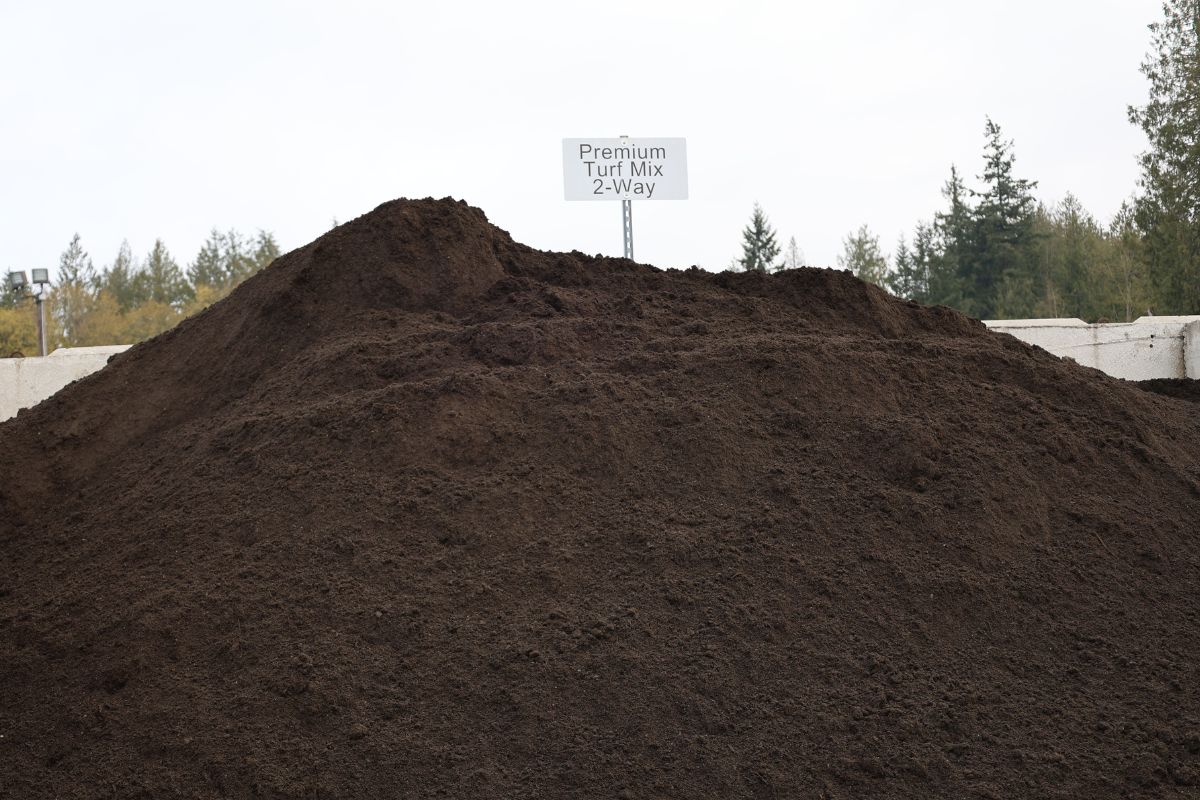 Lenz Premium Turf Mix is the ideal topdressing soil for PNW lawns. This specialty formula is designed specifically for lawn turf and uses a ratio of 50% top mix sand combined with 50% premium Lenz Compost.
The sand provides soil stability, preventing compaction under the weight of human foot traffic or heavy spring rainfall while also leveling low spots in your lawn. The compost introduces high organic matter content to your soil to provide the nutrients and loamy soil structure needed for new grass seed to germinate and grow.
Lenz Premium Turf Mix:
- Improves soil structure
- Levels lawn low spots
- Improves proper soil drainage
- Adds soil nutrients and biodiversity
Lenz Premium turf mix is processed through a 7/16th screen, ensuring high-quality soil that is ready to spread easily throughout your yard.
Lenz Compost Organic: A Nutrient-Bomb For Depleted Soil
 Lenz Compost Organic is ideal for topdressing soil that is heavily deprived of nutrients. It also doubles as an amendment to garden beds, so if you want one product for both your lawn and garden, this compost is a great solution.
Unlike synthetic fertilizers (highly soluble salts that easily wash away in the rain and pollute local waterways), Lenz’ organic compost permanently improves the soil structure and feeds billions of beneficial microbes that naturally fertilize and protect the grass all season long.
Lenz Organic Compost:
- Improves soil structure
- Adds soil nutrients and biodiversity
- Suppresses weeds
- Improves moisture absorption and retention
- Reduces erosion
Lenz Compost Organic is an OMRI-listed and WSDA-certified soil amendment, carefully controlled through a multi-stage Aerated Static Pile (ASP) system for higher quality organic compost..
Do You Have Other Spring Garden Renovations In Mind?
Lenz Enterprises also provides potting mix, mulch, gravel, and more to meet all of your spring landscaping and gardening needs.
How to Calculate & Order Your Soil Materials
If you’re ready to spruce up your lawn this spring, Lenz Enterprises provides the premium, sustainable bulk materials you need to make your spring lawn renovations a reality.
Lenz also makes it easy to calculate exactly how much of each product you need with our free Lenz Online Materials Calculator. To figure out exactly how much Premium Turf Mix or Lenz Compost you need:
- Measure the length, width, and desired depth of the lawn area you intend to cover.
- Use the free Lenz materials calculator to automatically convert these physical dimensions into the precise cubic yardage required for your job.
By using premium and organic products formulated specifically for PNW farms, gardens and landscapes, you can create a lush, green spring lawn just in time to enjoy the warmer temperatures and sunnier days.
Stop by Lenz Enterprises today or call (360) 629-2933 to stock up on the supplies you need to bring your spring landscaping renovations to life!