
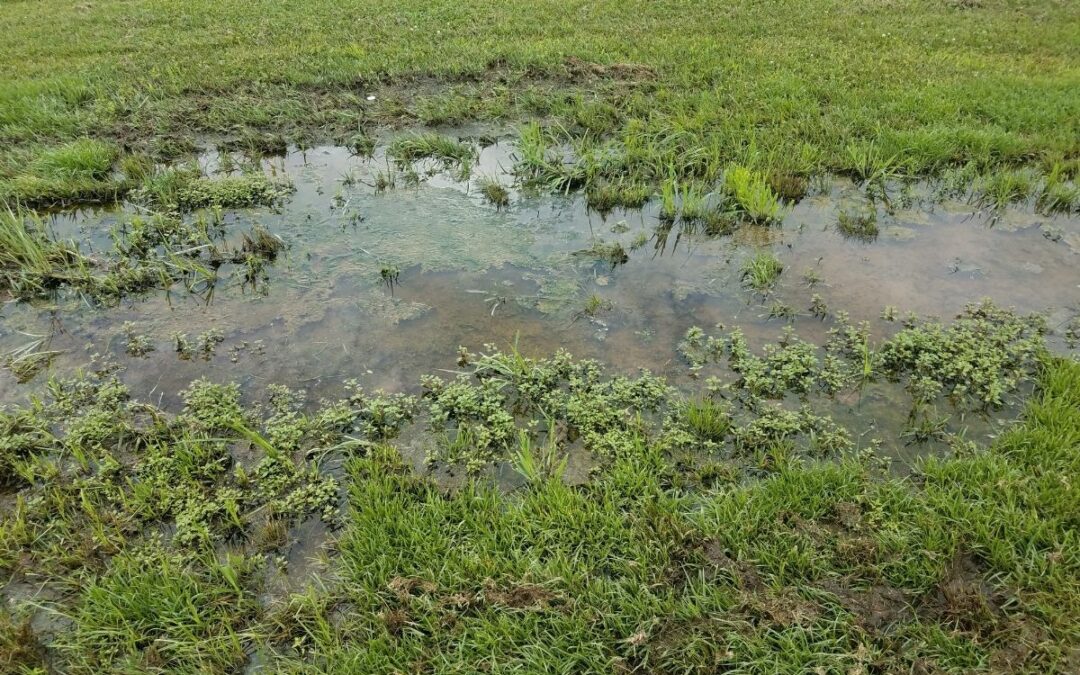
Your landscape is constantly giving you clues about what’s happening below the surface. Here are 5 Signs Your Landscape Is Working Against You: Standing water, compacted soil, erosion, bare spots, and weak plant growth are often signs that soil structure or drainage needs attention.
Western Washington’s mix of glacial till, clay-rich soils, silts, and sandy outwash can create unique challenges. Learning to recognize these warning signs early can help you address underlying issues before they lead to expensive repairs or extensive landscape work.
Here are five common indicators that your landscape may be working against you and what they reveal about the soil beneath your feet.
Why does my landscape have standing water after it rains?
If a corner of your yard is still holding water a day or two after a significant rainstorm, it usually means one of two things: water is moving toward that spot from somewhere else, or the soil isn’t allowing water to drain efficiently.
Much of the Pacific Northwest region sits on a dense layer of glacial till, often called hardpan, located about 18 to 36 inches underground. This compacted layer acts almost like a barrier, slowing water movement and making it difficult for roots to grow deeper. As rainwater moves through the upper soil, it can become trapped above the hardpan, creating soggy conditions that linger long after a storm has passed.
In areas with minor drainage issues, improving soil structure with compost can help water move more freely through the top layer. In areas with more persistent drainage issues, a French drain, which uses a perforated pipe surrounded by drain rock, may be needed to move excess water out of the area.
Why is my soil hard and difficult to dig?
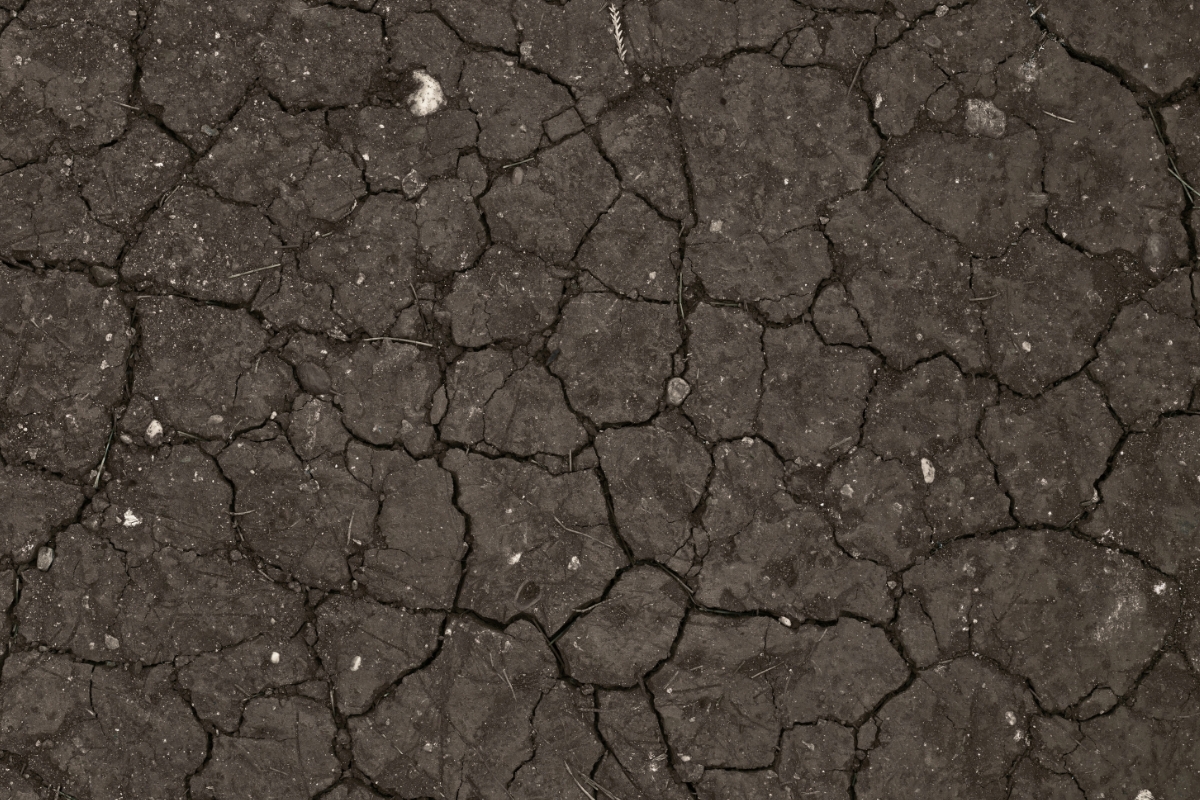 Compacted soil is another common challenge in Western Washington landscapes. Over time, foot traffic, vehicles, and repeated winter rainfall can press soil particles, making the ground dense and difficult to work with.
When soil becomes compacted, it loses the small spaces that allow air, water, and roots to move freely. In addition to being hard to dig, you may notice that your plants struggle to establish healthy root systems, water runs off rather than soaking in, and overall soil health declines.
Much of this area’s soil is rich in clay, making it especially susceptible to compaction. The most effective fix is improving soil structure by amending with compost, which helps break up compaction and increase drainage while supporting healthy root growth. For raised beds or new planting areas, using a well-balanced soil mix like Lenz Garden Soil gives you a clean, ready-to-plant foundation with the right balance of drainage and organic matter from the start.
Why do I see exposed roots or bare patches after rain?
You’re likely seeing soil erosion in action, where rainwater is carrying away topsoil faster than it can be naturally replaced. A combination of the PNW’s geology (fine-textured glacial deposits) and lack of vegetation or mulch protecting bare ground can result in your soil washing away quickly during periods of heavy rain.
One of the simplest ways to reduce erosion is to keep soil covered. Plants help anchor soil with their roots, while mulch cushions the impact of rainfall and slows the movement of water across the surface. On steeper slopes, larger landscape features such as rockeries, cobbles, or boulders can help stabilize the area while new plants become established.
Why are there bare spots in my lawn or garden beds?
If the same areas of your yard remain bare despite reseeding or replanting, the problem may be due to compacted soil, poor drainage, nutrient deficiencies, or pH imbalances. All of which can make it difficult for plants to establish healthy roots.
Western Washington soils are often naturally acidic, which can affect how easily plants access nutrients. In some cases, buried construction debris or shallow hardpan can also limit root growth.
A soil test can help identify whether nutrient levels or pH are contributing to the problem. If soil structure is the issue, adding organic matter or replacing poor-quality soil may be necessary. Lenz Soils are blended specifically for Pacific Northwest growing conditions and provides the drainage, texture, and organic matter needed to support healthy plant growth.
Why are my plants growing poorly even though I’m watering them?
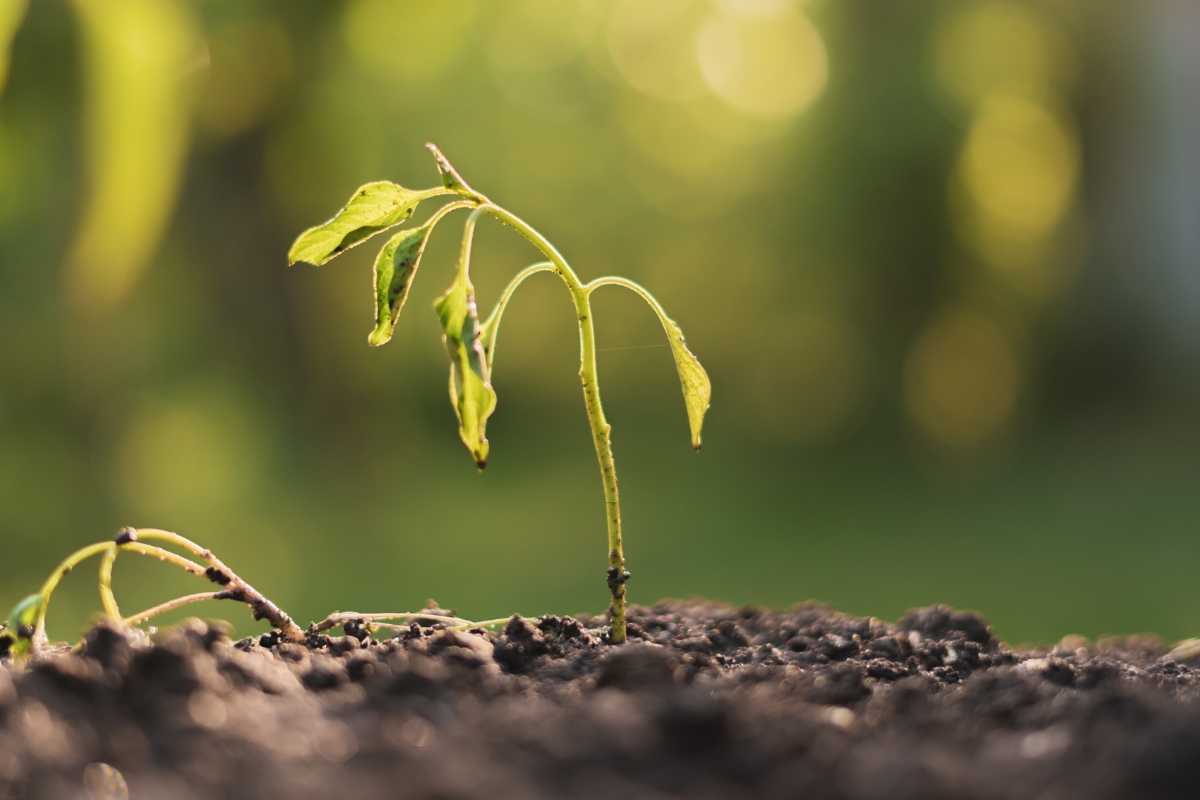 When plants survive but fail to thrive, the cause is often related to soil health. Slow growth, sparse foliage, and poor flowering or fruit production can all indicate that roots are not getting the conditions they need.
One common issue is a lack of organic matter (the part of soil made up of decomposed plants and other natural materials). Over time, soils naturally lose this material through breakdown, plant uptake, and leaching from rainfall. Without replenishment, the soil won’t have the organic matter and nutrients plants need to thrive.
Poor drainage can also cause weak plant growth by restricting root development and keeping roots saturated for too long.
Adding compost is one of the most effective ways to improve soil health and structure. Lenz Compost increases organic matter, supports beneficial soil life, and helps create better growing conditions. Applying mulch afterward helps balance moisture, protect the soil surface from erosion, and feed the soil as it breaks down.
Ready to Address Your Landscape Concerns?
Many landscape challenges, such as standing water, compacted soil, erosion, bare spots, and struggling plants, are often signs that the soil beneath the surface needs attention.
Fortunately, these issues are not permanent. The right blend of soil for structure, compost for amendment, and mulch for protection works together to improve drainage, strengthen root systems, and create healthier, more resilient landscapes over time.
The team at Lenz can help you find the right materials and solutions for your landscape concerns. Give us a call at (360) 629-2933 or stop by our yard in Stanwood.