
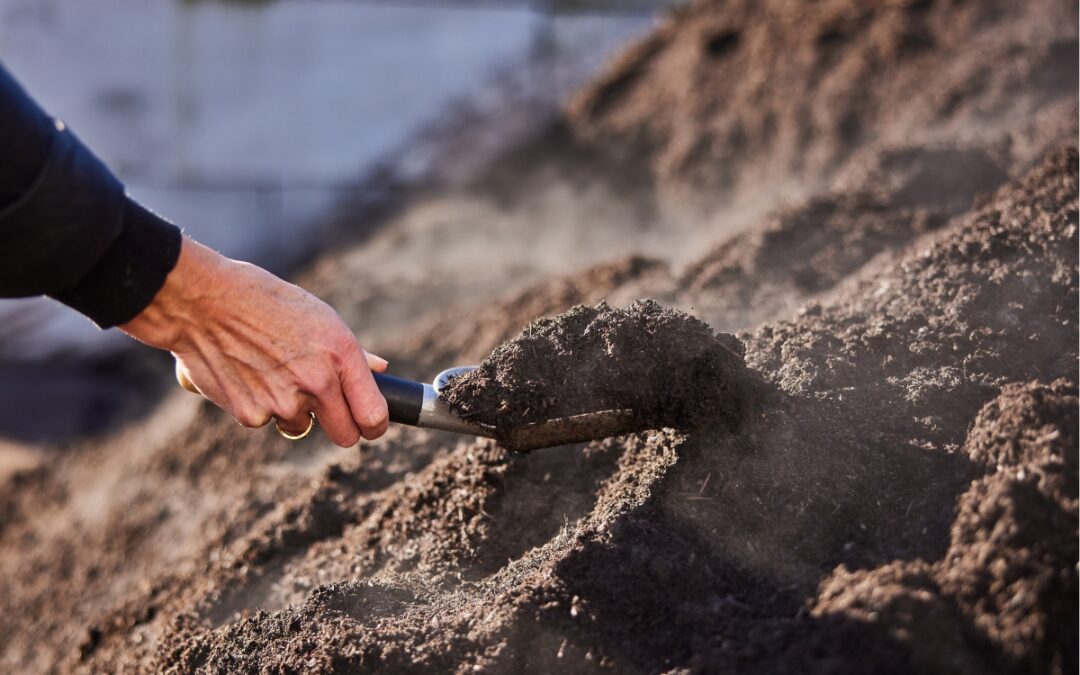
Healthy soil is the foundation of every successful landscape, garden, and farm—but it is also one of the most overlooked components. Across the Pacific Northwest and beyond, soils are becoming increasingly depleted, compacted, and imbalanced, making it harder for plants to thrive without heavy inputs.
The good news is that rebuilding soil health doesn’t require complicated solutions. Compost offers a proven, natural way to restore structure, improve resilience, and support long-term plant performance. By understanding how compost supports humans and the environment, you can grow healthier plants and more sustainable landscapes.
1. Improves Soil Structure
Compost acts as a binding agent and it binds soil particles into stable aggregates. When this happens it creates pores that allow oxygen and water to move through the soil. The stable aggregates of soil create a strong structure that prevents soil from becoming compacted; this allows root systems to grow deeper. Amending clay soil with compost improves the structure to allow more air to reach the roots and supports better drainage to prevent root rot. Not only does this lead to stronger, healthier plants, but it also protects against erosion.
2. Supports pH Levels
Different soil environments have different pH levels. This supports natural biodiversity. Depending on the environment some soils can be too acidic or alkaline for plant growth. Amending the soil with premium compost, like Lenz Compost, which has an optimal pH of around 7 (neutral), can help address nutrient deficiencies or toxicities and ensure plants have the levels of phosphorus, nitrogen, iron and other essential elements they need to thrive.
3. Retains Water
Compost can absorb 2.5 times the water than sandy, unamended soils. This is largely due to the high levels of organic matter which helps it operate like a natural sponge, absorbing and retaining water reducing evaporation and runoff.
Compost amended soil has a stronger structure. This makes the soil more porous, effectively slowing water flow (runoff) which helps prevent erosion, and allows the soil to hold moisture for longer periods. For gardeners and growers, this means you won’t have to water as often, especially during the drier months. And with more consistent moisture levels in the soil, there is less stress on root systems, resulting in a healthier, stronger, and more resilient garden.
4. Supplies Soil With Vital Nutrients For Healthy Plant Growth
Soil rich in nutrients results in healthier plant development– from roots to flowering to fruiting. Compost provides the key macronutrients and micronutrients to support soil health. The most common soil macronutrient deficiencies are nitrogen (N), phosphorus (P), and potassium (K). Washington soils can also be deficient in sulfur. Amending soil with high-quality compost helps restore these essential macronutrients.
It also restores essential micronutrients like calcium, manganese, zinc, iron, copper, and Boron– which is the most common deficiency we find in Western Washington soils.
Premium compost slowly releases these macro- and micronutrients into the soil, creating nutrient reserves which reduces the need for synthetic fertilizers.
Nitrogen: A Key Nutrient For Lush Plant Growth
Plants need lush green leaves to maintain photosynthesis. Nitrogen deficiency in soil leads to weak, spindly plants, yellowing leaves, and even plant death. Many crops, like tomatoes, squash, and corn, are heavy nitrogen feeders, so when these vegetables are harvested, the remaining soil is often depleted of usable nitrogen.
Nitrogen manufactures amino acids that make chlorophyll, the molecule that is essential in photosynthesis and gives leaves and grass their green coloring. Most nitrogen is not directly available to plants as it exists in the soil in the form of organic matter. Before a plant can absorb the nitrogen, it has to be broken down and converted by microorganisms. Compost feeds and energizes the existing microorganisms within the soil by providing them with lots of organic matter. This helps the soil maintain a more consistent supply of plant-available nitrogen.
Whether you’re replenishing soil after a harvest of heavy nitrogen feeders or aiming to sustain a healthy garden, lawn, or flower bed all season long, amending your soil with compost is essential.
Phosphorus: A Key Nutrient For Plant Reproduction
Phosphorus is mainly responsible for the ATP energy transfers that happen within plants, which are directly related to root and plant growth.
Phosphorus increases:
- Stem and stalk strength
- Seed production
- Crop quality
- Crop maturity
Phosphorus can even help with resistance to certain plant diseases like root rot.
A lack of phosphorus in soil leads to stunted plants and smaller plant and crop yields. It’s hard to recognize these effects of phosphorus deficiency until it’s too late, but a shallow root system and purple leaf tissue can both be indicators that your soil needs amending.
Potassium: A Key Nutrient For Plant Quality
Potassium activates over 60 enzymes that are involved in plant growth and plant quality. It also translocates sugars and starches to feed plants and regulate water.
Soil high in potassium leads to plants with:
- Improved water absorption
- Better drought resistance
- Increased resistance to fluctuating temperatures
- Higher quality plant and crop size, shape, and seed production
- Increased root growth
Lack of potassium results in wilting, weakened stems, a higher likelihood of disease, and poor fruit quality. You can often notice a potassium deficiency through scorching when the leaf tips turn brown and crisp.
5. Keeps Binds Heavy Metals & Keeps Contaminants Out of Waterways
Compost plays an important role in protecting waterways by immobilizing heavy metals and preventing them from moving through soil into stormwater systems. The organic matter in compost binds tightly to contaminants like lead, zinc, copper, and cadmium reducing their bioavailability and limiting the likelihood that plants will absorb harmful contaminants. Binding these metals also prevents them from impacting water systems
Compost also helps buffer soil pH toward neutral levels, which reduces the solubility of many metals and limits their ability to leach into water. In addition, the microbial activity supported by compost can transform some contaminants into more stable forms. Beyond its chemical benefits, compost improves soil structure and water retention, reducing runoff that would otherwise carry pollutants into nearby streams and rivers.
It is widely used in compost-based filter systems, such as berms and filter socks, to capture contaminants, like 6PPD-quinone, before they enter stormwater systems. While compost does not eliminate heavy metals or contaminants, it significantly reduces their mobility and bioavailability, helping keep them out of waterways and the broader ecosystem.
6. Reduces Reliance on Pesticides
Amending soil with high-quality compost is one of the most effective ways to reduce reliance on pesticides by strengthening the soil’s natural defenses. Mature compost is rich in beneficial microorganisms that compete with and suppress harmful pathogens, sometimes even producing natural compounds that inhibit disease. These microbes also stimulate plants to activate their own defense systems, a process known as induced systemic resistance, which helps them better withstand future pest and disease pressures.
In addition, compost delivers a balanced, slow-release source of nutrients that promotes strong, resilient plant growth, unlike quick-release fertilizers that can lead to weak, pest-prone plants. When applied as a surface layer, compost can also suppress weeds by blocking sunlight, reducing the need for herbicides.
At the same time, it improves soil structure and drainage, minimizing the damp, compacted conditions where root diseases thrive. Together, these benefits create a healthier soil environment that naturally reduces the need for chemical interventions.
7. Recycles Waste & Lessens Our Carbon Footprint
Recent studies estimate that nearly 25–30% of what ends up in landfills is actually compostable material that could be put to far better use. Instead of breaking down in a healthy, oxygen-rich environment, this organic waste decomposes anaerobically in landfills, producing methane—a greenhouse gas far more potent than carbon dioxide. Composting changes that equation by supporting aerobic decomposition, which significantly reduces methane emissions.
Beyond waste diversion, compost plays an active role in climate solutions by improving soil health and helping plants capture and store carbon dioxide. In other words, composting doesn’t just recycle organic material—it reduces harmful emissions, improves air quality, and returns valuable nutrients back to the soil where they belong.
Ready To Improve Your Soil Health?
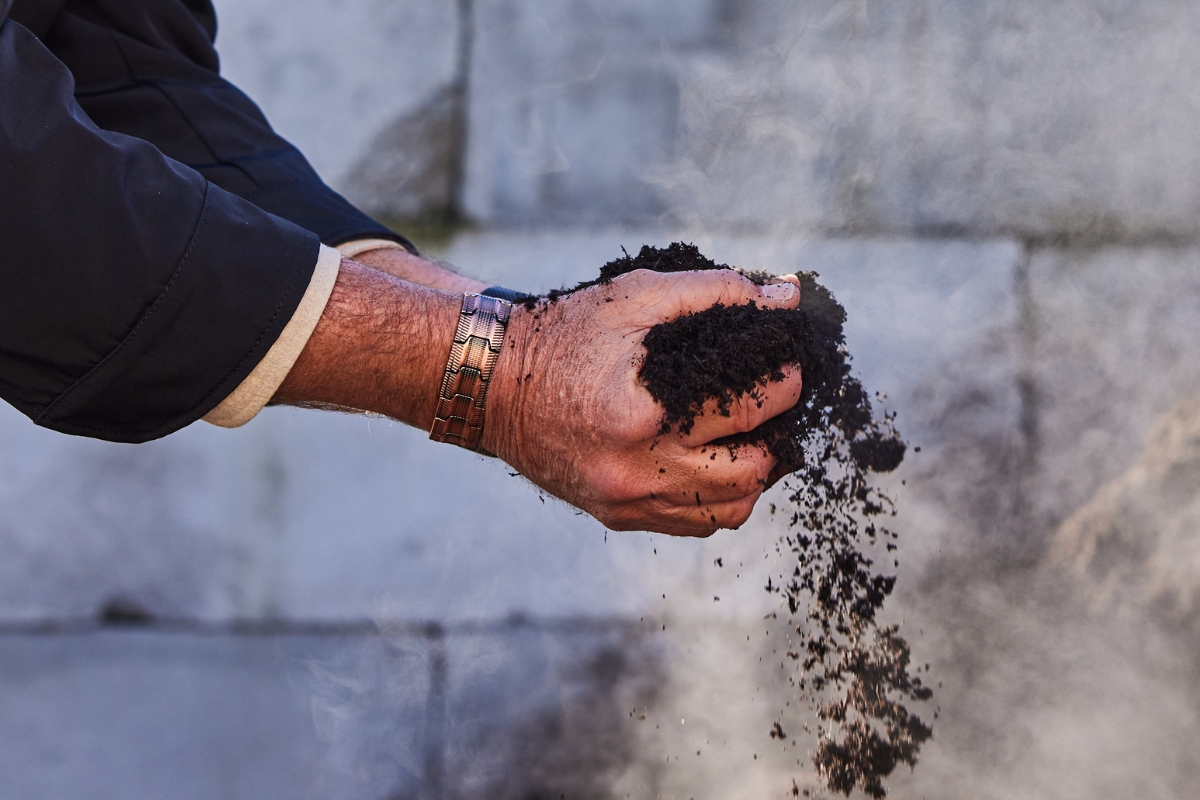
Compost benefits both plants and humans alike. By recycling compostable materials into bioavailable organic matter, we keep food and yard waste out of landfills and turn it into a nutrient-dense soil amendment that synthetic fertilizer cannot fully replicate.
If you’re ready to reap all of the benefits of compost for soil and plant health, Lenz is here to help. We develop the region’s best compost to support farms, gardens and landscapes. When you need to amend your soil with hearty compost or OMRI-listed compost certified for organic use, stop by our yard to pick it up or visit one of the retailers and garden centers who carry Lenz Compost and Lenz Organic Compost.